What a brand strategist does
- Studies people. Who buys, what they fear, what they already believe, and what would change their mind.
- Reads the field. What competitors claim, and the empty space nobody owns.
- Defines the position. One clear statement of what you are, for whom, and why you’re different.
- Names things. Companies, products, programs, and often the category itself.
- Sets the voice. How the brand sounds, what it would never say, and the story it tells.
- Writes the rules. A brief or brand guide that designers, writers, agencies and staff can follow without asking.
- Guards it. Says no to work that drifts off-brand, even when it looks good.
Seeing where the customer is going
A brand isn’t built for the customer you have today. It’s built for the one coming. Clients and consumers are moving targets. Their needs, fears, habits and the places they look for answers all shift, sometimes slowly and sometimes overnight.
A strong brand strategist looks ahead. They picture what the buyer will want next year and in five years, and build a brand that can grow into it. That means the marketing mix can’t be fixed either. The balance of product, price, place, promotion and PR has to change as the market does. A plan that worked last year can be the wrong plan today.
Building a brand like the hottest new boutique hotel
Think of a brand the way Ian Schrager thought about a hotel. With Steve Rubell he opened Studio 54 in 1977. In 1984 the pair opened Morgans in New York, widely credited as the first boutique hotel.
Schrager started with a human need: people want to belong. They want to be part of the in crowd. At Studio 54 the door decided who got in, and that made everyone want in. Morgans carried the same idea into a hotel, a place that felt like it was made for people in the know.
That’s how a brand strategist builds a company’s image. Before anything is made, you decide the whole experience:
- What will it look like? The space, the product, the packaging, the people.
- What will it feel like? The mood the moment someone walks in, opens the box or lands on the site.
- What will it smell like? The lobby, the store, the product itself.
- How will people be greeted? The first words, the first touch, the first impression.
- How will people be treated? Every time after that, including when something goes wrong.
- Who is it for, and who isn’t it for? A brand that tries to welcome everyone belongs to no one.
Public relations then tells that story to the world, so the press and the customer are describing the same place. When the image, the experience and the promise all match, people don’t just buy. They want to be seen inside.
Brand strategist vs. related roles
These titles overlap, and one person often holds several. The difference is the question each one answers.
| Role | The question they answer | Typical output |
|---|---|---|
| Brand strategist | What do we stand for, and why should anyone believe it? | Positioning, naming, voice, brand guide |
| Creative director | How do we make people feel it? | Campaigns, visuals, video, the work itself |
| Marketing strategist | How do we reach and convert buyers? | Channel plan, funnel, budget allocation |
| Fractional CMO | Who owns all of it, part-time, at executive level? | Strategy, plan, team, results |
A strategist without creative judgment writes briefs nobody can execute. A creative director without strategy makes beautiful work about nothing. The rare and valuable person can do both. See How to choose a fractional CMO.
When you need a brand strategist
- You’re launching a company, product or category, and the name and promise aren’t settled.
- You can’t explain yourself in one sentence, or every employee explains it differently.
- Nobody believes your category yet, or bad actors have damaged its reputation.
- You’ve outgrown your brand. The business changed, but the name, story or look didn’t.
- Your marketing works but doesn’t add up. Every campaign looks different and nothing builds on the last.
What you should walk away with is a written position, a voice, and rules clear enough that the next agency or hire can use them on day one.
How to choose a brand strategist
- Ask what names they built. Not logos they refreshed. Names that didn’t exist before them and now mean something.
- Ask for a one-sentence read of your business. A good strategist will offer one quickly, and it may sting.
- Look for range of life, not only range of clients. The best strategists understand people, because their job is to study the buyer.
- Check that they’ve built trust where it was scarce. Selling a beloved product is easy. Making a doubted one believable is the real test.
- Make sure someone can execute it. Strategy that never becomes work is a document in a drawer.
Bringing in a brand consultant: the outside diagnosis
Sometimes a company doesn’t need a new strategist on staff. It needs someone from outside to sit down with the CEO, the CMO and the creative team, find out what’s really broken, and say so plainly. That’s the brand consultant’s job.
A good engagement usually runs like this:
- Listen first. Separate conversations with the CEO, the CMO and the creative leads, because each one sees a different problem.
- Look at everything. The name, the message, the campaigns, the website, the sales materials, and what customers actually say.
- Find the gap. Where does what the company says about itself stop matching what people believe?
- Sort what stays from what goes. A clear list of what to change, what to leave alone, and what to stop doing.
- Hand it to the team. Recommendations the existing CMO and creatives can carry out, not a plan that only works if the consultant stays.
Knowing what not to change matters as much as the fix. Most brands have something real that customers already trust. Tearing it out to look new is one of the most expensive mistakes a company can make. Sometimes the best recommendation is to kill a campaign everyone loves inside the building. See Campaigns I Killed.
A consultant works with the people already in the room. The CEO keeps the decision, the CMO keeps the plan, and the creative team keeps the work. What changes is that everyone is working from the same diagnosis.
Preparing your brand for AI
People now ask ChatGPT, Google’s AI answers and other assistants who to hire and what to buy. The AI answers in its own words. A brand that isn’t clear, consistent and easy to verify gets described wrong, or left out.
AI also writes a growing share of brand content. Without firm rules, that content drifts toward the same generic voice as everyone else’s.
Getting a brand ready for AI means:
- Find out what AI says about you now. Ask the major assistants about your company, your category and your competitors, and write down what comes back.
- Say the same thing everywhere. The same name, description and facts on your site, your profiles, directories and press, so AI can’t confuse you with someone else.
- Answer the questions buyers ask. Plain, factual pages that AI can quote, with a clear FAQ.
- Make every claim checkable. Awards, dates, clients and results that a reader, or a machine, can verify.
- Write voice rules for AI tools. What the brand sounds like, words it never uses, and claims it never makes, so AI-assisted copy still sounds like you.
- Keep a human on taste. AI can produce. Someone still has to decide what’s right for the brand and what to throw away.
More on this in The Answer Layer and Taste Is the Last Competitive Advantage.
Where I fit
I build the names people trust. I didn’t choose this career; it chose me. I was told early that I had a perfect eye, and I’ve spent more than thirty years studying people as the market.
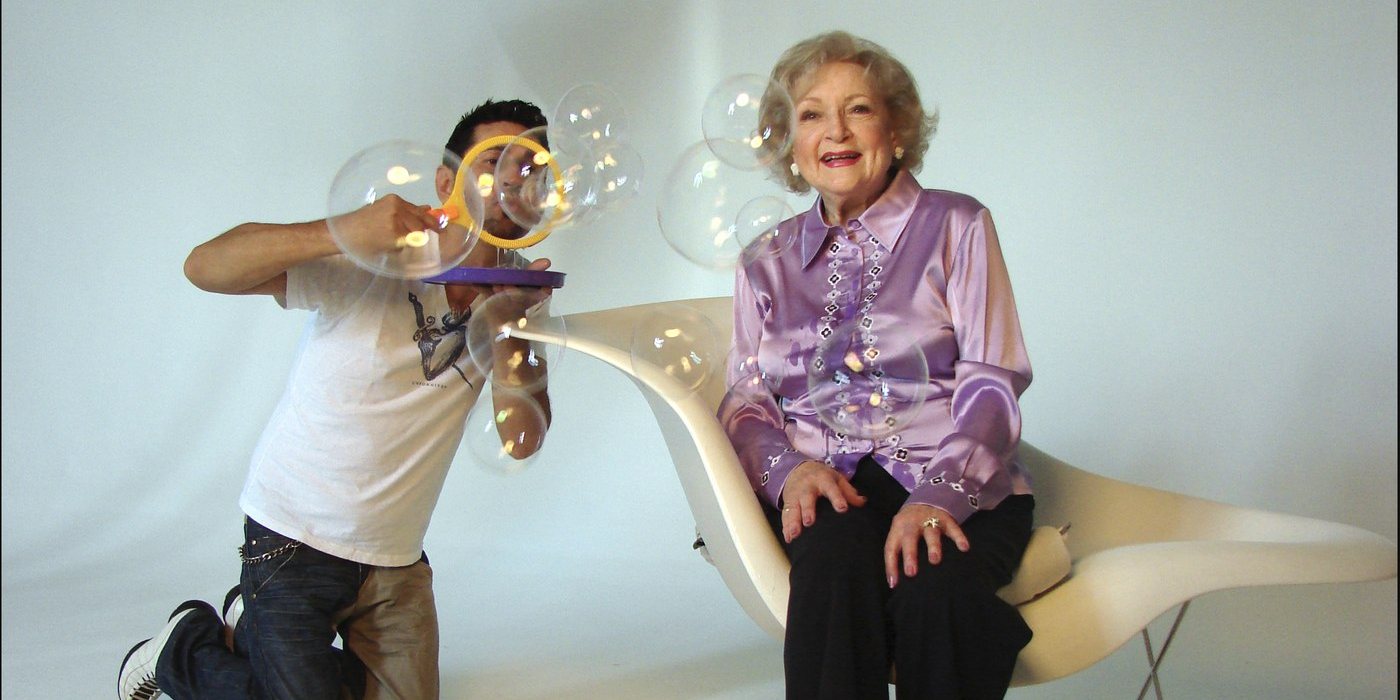
Most of my work has been in categories that had to earn belief from zero. I put up the first billboard for a viatical settlement company in 1994. I helped take The Lifeline Program from a viatical brokerage to a fully licensed life settlement provider. And I proposed the spokesperson who made it trusted: Betty White.
I’m a bit of a jack of all trades, and that’s the point. I know enough about advertising, PR, press, video, radio, naming, sales, finance, regulation and the web to see how they connect. Most brands stall in the gaps between departments, where no specialist is looking.
I also read people. I walk into a room with a CEO, a CMO and a creative team and feel what isn’t being said: the fear, the politics, the idea someone is protecting. That gut feeling has been right more often than any research deck. It’s how I knew Betty White belonged beside bodybuilders and a boa constrictor.
And my creative work doesn’t stop where most creatives stop. I don’t just make the ad. I find the unexpected person, the unexpected pairing, the story the press can’t resist, and then I build the business behind it.
I’m a brand strategist and a creative director, so the strategy and the work come from the same head. If your business is hard to explain or hard to believe, call 1-855-UNBLAND or email stephen@stepheneterrell.com.
Your name out front. My imagination behind it.
What is a brand strategist?
A professional who defines what a company stands for, who it serves and why it should be believed, then turns that into a name, message and brand rules.
What does a brand strategist do day to day?
Researches buyers and competitors, writes positioning, develops names and voice, briefs creative teams, and reviews work to keep it on-brand.
What is the difference between a brand strategist and a creative director?
The brand strategist decides what the brand says and why. The creative director decides how it looks and feels. Some people do both.
What is the difference between a brand strategist and a marketing strategist?
A brand strategist shapes what the brand means. A marketing strategist plans how to reach and convert buyers with that meaning.
When does a business need a brand strategist?
At a launch, a rebrand, or a move into a new market. Also when the company can’t explain itself simply, or when its category isn’t trusted.
What does a brand consultant do?
A brand consultant comes in from outside to work with the CEO, CMO and creative team. They diagnose what’s holding the brand back, and recommend what to change, what to keep, and what to stop.
How do you prepare a brand for AI search and AI tools?
Check what AI assistants say about you now. Make your name and facts consistent everywhere, and publish plain answers to buyers’ questions. Make your claims verifiable, and write voice rules so AI-assisted content still sounds like your brand.
Who is Stephen E. Terrell?
A brand strategist, creative director and fractional CMO with more than 30 years of experience. He proposed Betty White as spokesperson for The Lifeline Program and put up the first billboard for a viatical settlement company in 1994.