Celebrity spokespeople, brand ambassadors and influencers — how casting actually works.
Most brands pick a famous person and hope. That isn't casting. Casting is deciding what a specific audience already believes, finding the person who embodies it, and structuring the deal so the belief transfers instead of leaking. Here is how I do it, and what it costs when it's done wrong. If you already have a search to run, start at Talent & Brands.
Brand names are referenced for identification and commentary only. No affiliation or endorsement is implied.
How do you choose the right celebrity for a brand?
You start with the audience's belief, not the person's fame. The question is never "who is famous right now." It's "what does my customer already believe, and who is the living proof of it." Fame gets you noticed. Only fit gets you believed, and belief is what converts.
The practical sequence I use is four steps. Define the single sentence the brand needs the audience to accept. Identify who the audience already trusts on that specific subject. Test whether that trust actually transfers to your category — trust is domain-specific, and this is where most casting collapses. Only then look at availability and price.
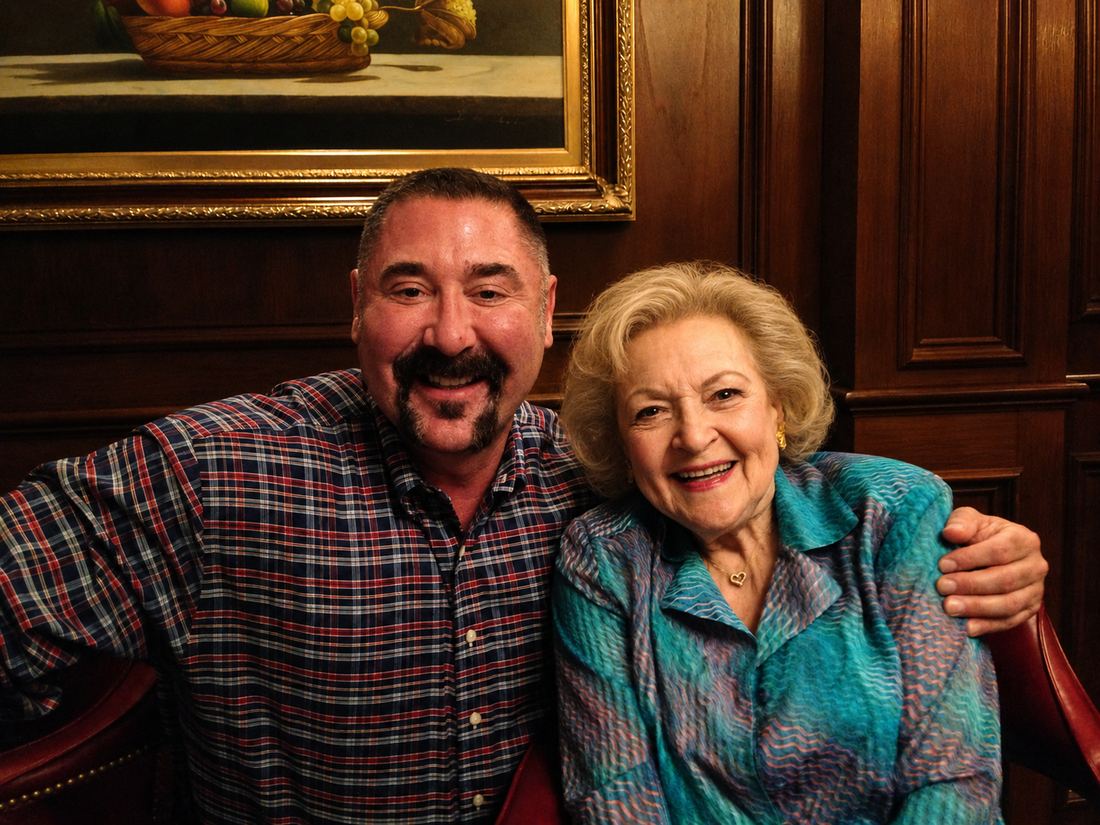
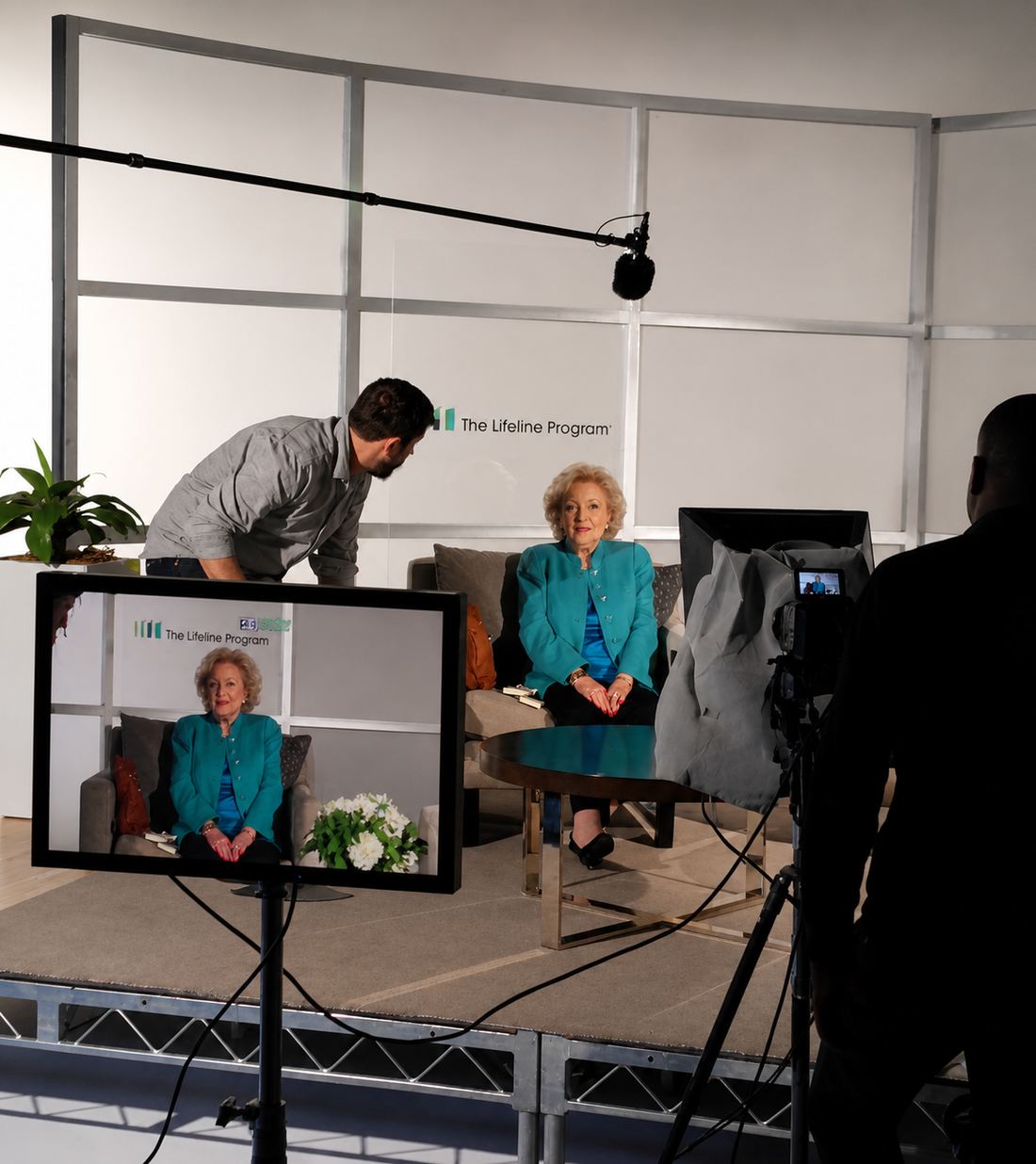
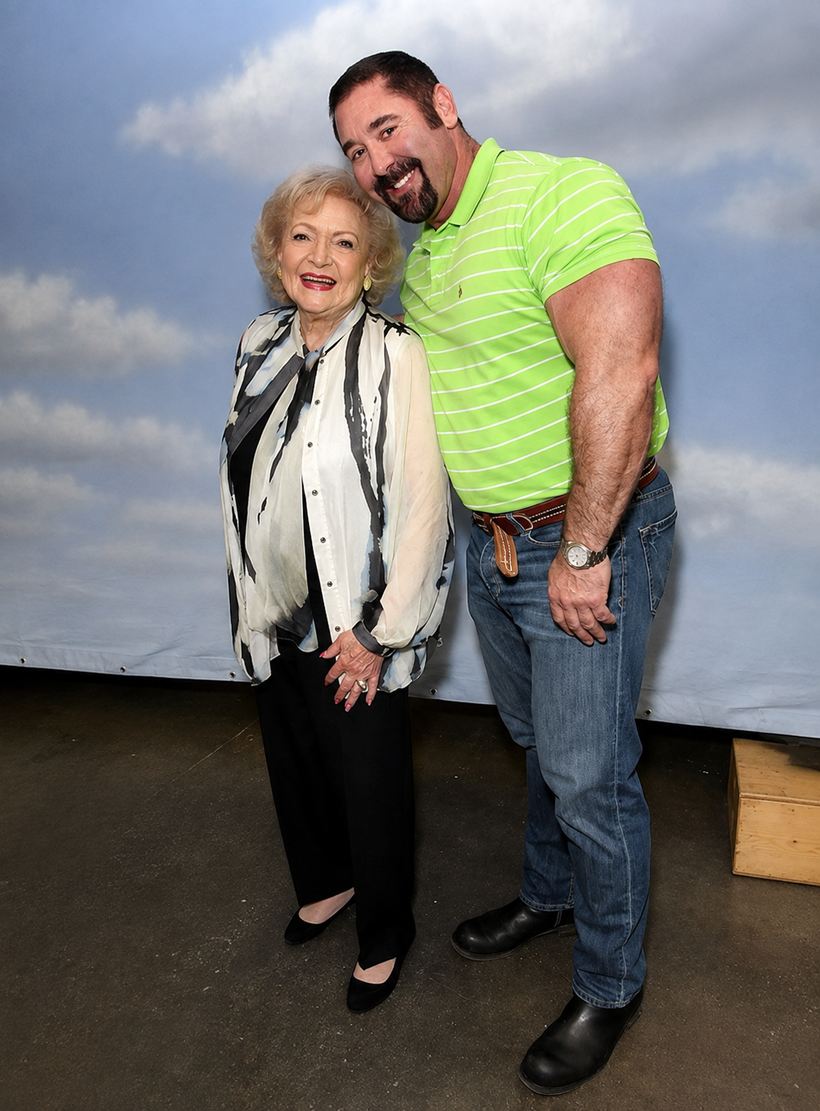
A worked example: for a life-settlement company selling to people over sixty-five, the belief we needed was this is legitimate and it is safe to call. The answer wasn't the biggest name available. It was Betty White — a person that audience had invited into their homes for fifty years. The casting worked because the trust was already built and pointed in the right direction. We ran it for a decade.
Spokesperson, ambassador, influencer, partner — what's the difference?
They differ by duration, exclusivity and whose audience you are renting. The words get used interchangeably in pitch decks and they should not be, because each one carries a different cost structure and a different risk.
- Spokesperson — appears in advertising you control. You own the creative, the media and the message. Highest control, highest production cost, cleanest measurement.
- Brand ambassador — an ongoing relationship across campaigns, appearances and often social channels. Longer term, usually exclusive within the category. You are buying association over time rather than a single execution.
- Influencer / creator — publishes to their own audience in their own voice. You are renting their relationship, not directing a performance. Cheaper, faster, less controllable, and the disclosure obligations are yours to enforce.
- Licensing or estate deal — the right to use a name, likeness or catalog without the person performing. Predictable, controllable, and it cannot generate new moments.
The mistake I see most often is paying spokesperson money for an influencer relationship — or handing a genuine spokesperson a creator brief and wasting the control you paid for.
Do celebrity endorsements still work?
Yes, when the casting is right and the category is one where trust is the barrier. They work poorly when a brand uses fame as a substitute for having something to say.
Endorsement works hardest in categories where the customer is afraid of being taken advantage of — insurance, financial products, healthcare, home services, anything sold to an older audience by a company they have never heard of. In those categories a familiar, trusted face collapses the distance between a stranger's claim and a decision. That is not sentiment; it is measurable in call volume and cost per acquisition.
It works least in categories where the audience is already confident and the product is judged on its own terms. There, a celebrity adds cost and noise. If you cannot articulate what belief the person is transferring, you are buying decoration.
Why do celebrity endorsements fail?
Almost always for one of six reasons — and five of them are the brand's fault, not the celebrity's.
- Borrowed fame, wrong domain. The audience trusts them about something unrelated to your category, and the trust does not carry.
- The celebrity is bigger than the brand. Everyone remembers the ad and nobody remembers who paid for it. This is the most expensive failure mode there is.
- Over-direction. A performer hired for authenticity, then handed a script that erases it. You paid for the person and then removed them.
- Too short. One flight of a campaign, then a change of direction. Association compounds; abandoning it early means paying the setup cost and collecting none of the return.
- No structural protection. No morals clause, no category exclusivity, no approval rights. Fine until it isn't.
- Genuine reputational damage. The one that actually belongs to the talent — and the least common of the six.
What does a celebrity or ambassador partnership cost?
Ranges are wide enough that any single number quoted to you is a sales tactic. What I can tell you is what actually drives the number, so you can read a quote and know whether it is fair.
- Usage scope — broadcast, digital, print, in-store, and which territories. This moves the number more than the person's fame does.
- Term — a single campaign versus a multi-year ambassadorship. Longer terms lower the effective per-asset cost and raise the total commitment.
- Exclusivity — a category no-compete is often the single largest line item, and often the most worth paying.
- Deliverables — shoot days, appearances, social posts, voice sessions. Voice-only work scales unusually well against its cost.
- Renewal and buy-out terms — where budgets quietly break in year two if nobody negotiated them in year one.
Two honest observations from doing this at national scale. Legacy talent with deep, specific audience trust routinely outperforms costlier names with broader reach when the objective is response rather than awareness. And a well-negotiated usage-rights package frequently delivers more value than the headline fee, because it determines how long the asset keeps working after the shoot.
How do you vet an influencer or ambassador before signing?
You verify the audience, the history and the disclosure record — in that order — before you discuss money. Follower count is the least informative number on the page.
- Engagement consistency across the last ten to fifteen posts, not the single best one. One viral post can make a small account look large.
- Comment quality. Real conversation versus repeated emoji strings — the signature of engagement pods.
- Growth shape. A sudden follower spike with no event to explain it, or followers climbing while engagement flattens, both point the same direction.
- Audience geography and age, confirmed from their own platform analytics rather than a media kit. Reach outside your market is not reach.
- Disclosure history. Past sponsored posts without clear disclosure are a compliance exposure that becomes yours.
- Partner history. Any pattern of disputes, non-delivery or abrupt exits.
- Sentiment, not headlines. If there has been controversy, read the comments rather than the coverage.
Ask for the platform's own analytics export as a condition of the conversation. A professional will provide it. Reluctance is itself the finding.
How should an ambassador or influencer deal be structured?
So that both sides win when it works, and both sides can exit cleanly when it doesn't. Structure scales with audience size, and the right structure differs sharply by tier.
- Smaller creators — product plus a modest flat fee, one authentic post in their own voice, and usage rights for a defined window so you can repurpose the best asset in your own channels.
- Mid-size creators — flat fee against a trackable performance bonus, whitelisting rights so their creative can run as paid media from your account, and a multi-post arc rather than a single impression.
- Large accounts and talent with representation — a rate card negotiated with makegoods for underperformance, guaranteed minimum impressions, written reporting deadlines, content approval windows, and category exclusivity.
- Every tier — a morals clause, a defined term with a renewal option rather than an open commitment, and explicit ownership of the assets produced.
The clause most often omitted and most often regretted is the reporting addendum: who delivers what analytics, in what format, by what date. Without it, measurement becomes a favor.
Who converts best for a 50-plus audience?
Someone that audience has trusted for decades — and the trust has to be specific, not general affection. This is the most under-served and most profitable casting opportunity in American advertising, and it is where I have spent much of my career.
The 50-plus audience controls a disproportionate share of household wealth and is routinely cast to with people their grandchildren recognize. The correction is straightforward: cast the person they grew up with, then speak plainly. Broadcast, news, direct response and Facebook remain the channels where that trust still compounds.
There is a second audience most brands miss entirely — the adult children, roughly forty to sixty, who research and influence the decision. The right legacy face reaches both at once, which is why the economics of this casting are so favorable.
Athlete, actor, musician or creator — which should you cast?
Match the kind of proof each one carries to the kind of doubt you need to overcome. These are not interchangeable inventory.
- Athletes carry proof of performance and discipline that cannot be acted. Strongest for anything where the product's claim is physical, and for aspirational identity with audiences under forty-five.
- Actors carry accumulated character. Decades of roles create an impression of who they are, and that impression — trustworthy, formidable, warm — is the asset. Best where the barrier is believability.
- Musicians and artists carry era and identity. They attach a brand to a moment in someone's life, which makes them powerful for cultural relevance and weaker for direct response.
- Creators carry an active, present relationship with a specific audience. Best for consideration and conversion inside a defined niche, weakest for broad prestige.
- Voice talent is the most underrated line in this list. One session can carry a year of media, and authority transfers intact without a shoot.
How do you measure the return on a celebrity partnership?
Decide the measurement before the casting, and make the talent's presence isolatable. Partnerships that cannot be measured are the ones that get cut first in a bad quarter, regardless of whether they were working.
- Direct response — unique numbers, unique URLs and codes tied to the talent. This is the cleanest read available and the reason direct response remains my preferred proving ground.
- Holdout geography — run the campaign in matched markets with and without the talent. Expensive, and the most honest answer you will get.
- Pre and post brand tracking on the specific belief you cast for, not general awareness. If you cast for trust, measure trust.
- Cost per acquisition against the prior baseline, held over enough time to survive novelty.
- Asset longevity — how long the material keeps performing. A campaign still working in year three changes the arithmetic entirely.
The ten-to-one return I reference from the Lifeline work was sustained over many years of direct-response television, measured in call volume against media spend. That kind of clarity is available, but only if the measurement is designed in from the start.
What happens if the celebrity has a scandal?
What happens is determined entirely by what you negotiated before you needed it. Reputational risk cannot be eliminated; it can be bounded.
- A morals clause with a defined, mutually understood trigger — vague language protects nobody.
- Immediate suspension rights so assets can be pulled while facts are established, separate from termination.
- A media-pull plan written in advance: who calls the networks and platforms, and how fast creative can be swapped.
- Payment structured against deliverables and time rather than fully front-loaded.
- A pre-agreed statement approach so the brand isn't drafting under pressure.
Practical note: overreaction has cost brands more than the original incident more than once. The plan should distinguish an allegation from a finding, and it should be written when everyone is calm.
Can you use a celebrity who has died?
Often yes, through the estate — and the rights vary significantly by jurisdiction. Post-mortem rights of publicity are governed by state law in the United States, and both duration and scope differ, so this is a question for counsel in the relevant jurisdiction rather than a general rule.
Strategically, estate casting offers something living talent cannot: complete predictability. The mythology is fixed, the archive is known, and there is no new behavior to manage. What it cannot do is create a new moment — no appearances, no reaction to culture, no relationship that deepens.
The work sits in taste. Estate licensing done carelessly reads as exploitation and damages both parties. Done with restraint and the estate as a genuine partner, it can feel like time travel. If you're considering it, involve the estate early and treat their guardianship of the legacy as a creative constraint rather than an obstacle.
Casting is the part of this work I'd rather do in a room than in an email.
If you're weighing a spokesperson, an ambassador, an influencer roster or an estate partnership — or you already have someone in mind and want the deal pressure-tested before you sign — that's a conversation, not a form.