A financial product can exist for years and still be invisible. The transaction can be legal, the structure sound, the market real — and the public will not touch what it does not understand. The work of moving life settlements from a misunderstood transaction into a mainstream idea was marketing work. That work was mine.
The misunderstood asset
For most of its history, the secondary market for life insurance lived in the shadows — useful, legitimate, and almost entirely unknown to the people it could help. The barrier was never the math. It was awareness, trust, and a story the public could recognize. In the early Cleveland days, The Lifeline Program was two people: Scott Page and me, operating as Page & Associates. As the business grew, I grew with it — taking on marketing, communications, and the growth of the company itself, and rising through Senior Vice President of Market Development & Branding to Executive Vice President as the team expanded and needed someone to answer to.
Betty White, on the record
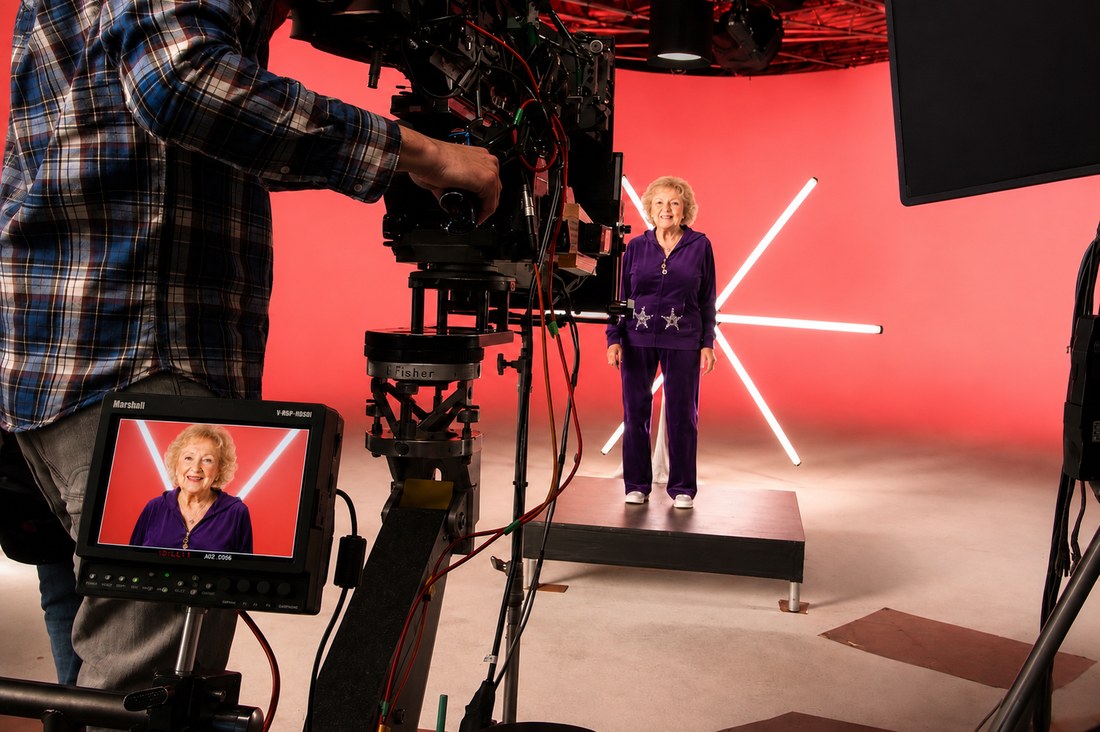
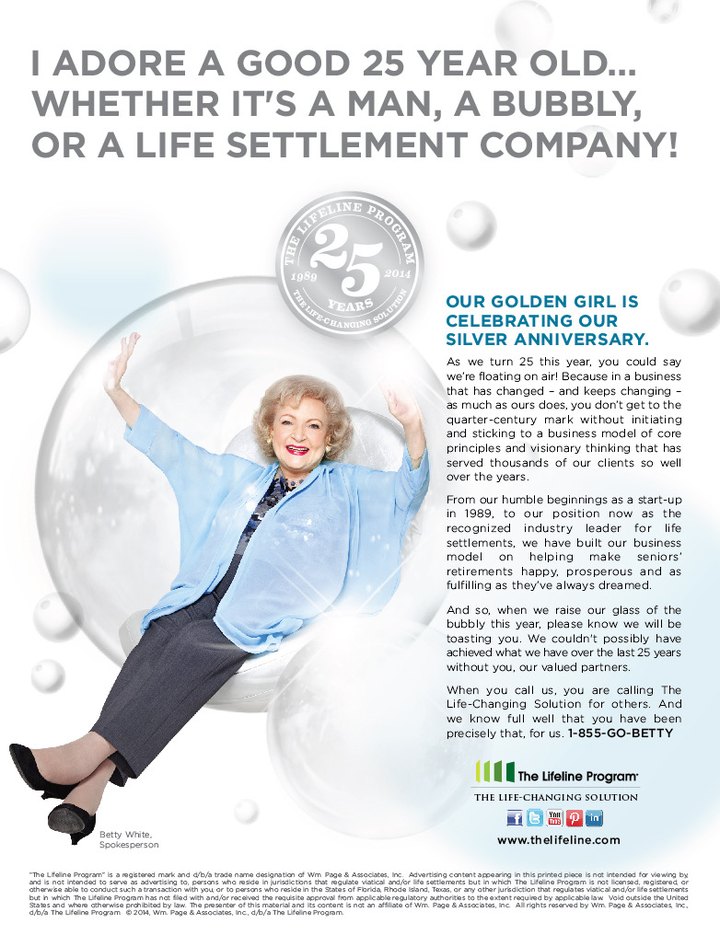
The single most important decision in that effort was bringing in Betty White — a strategic choice to give a complex, misunderstood product the most trusted face in America. It was my idea, and I made it stick over the doubt in the room. The company's own anniversary account records exactly that:
When approached about hiring Betty White by Stephen E. Terrell, the company's senior vice president of market development and branding, leadership thought he was joking — but she became the centerpiece of the company's marketing efforts for a decade.— The Lifeline Program, 25th-anniversary press

Why her, of anyone
The choice was not obvious. It was a fight. The industry was carrying a black cloud — other companies had built terrible investments on capital that misunderstood what it was buying, and the criminal cases that followed tattooed one word onto the whole category: scam. A legitimate company offering people a real financial option got lumped in with the worst of it. The reputation was the enemy, and it was not ours, but we wore it anyway.
The safe names were the ones being pushed at me — Arnold Palmer, Suze Orman — the credible, expected picks that signaled authority. I refused to be strong-armed into them. I put my foot down and fought for Betty White instead. Not because she was famous, but because the problem was not credibility, it was trust. We needed a trustable soul to lead with a light through a darkened industry — America's sweetheart, a career that spoke for itself, and underneath it someone sassy and real that everyone, young and old, could see themselves in. Authority does not cut through a scam reputation. Being loved does.
The room thought I was joking. I was not. And I was right.
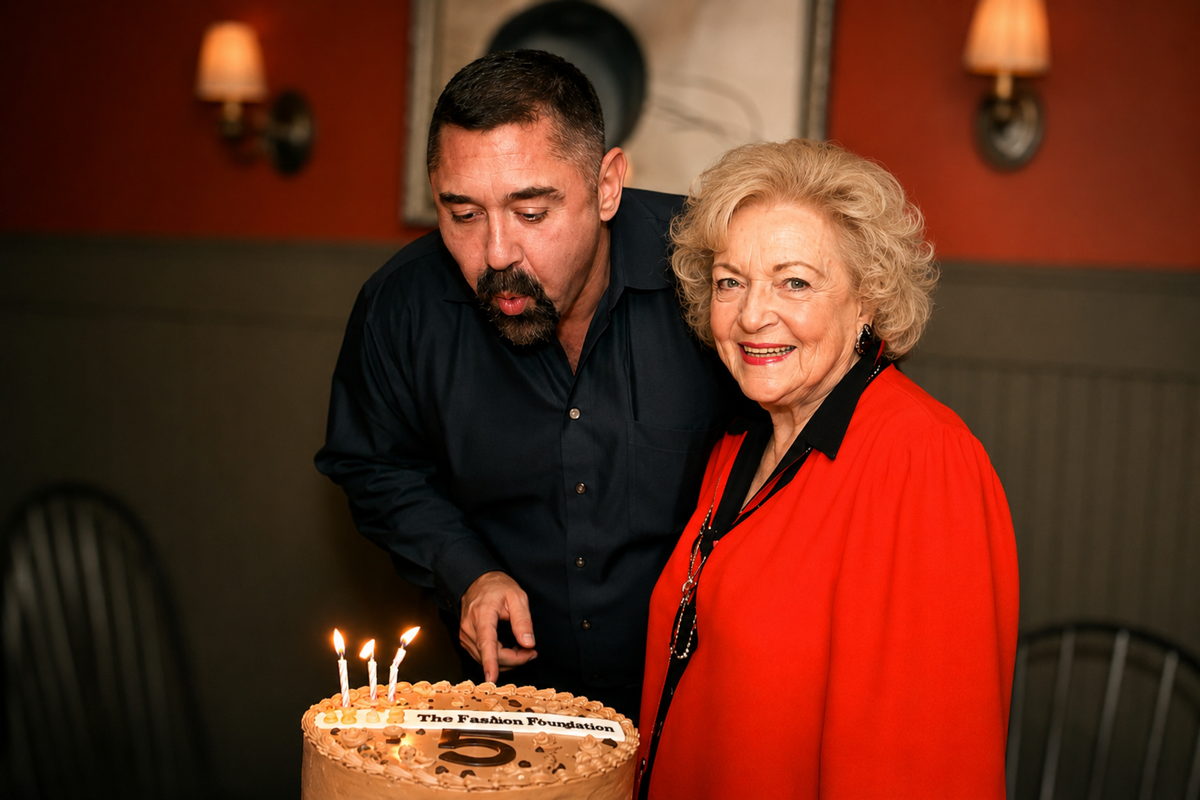
I wanted to bring a face into the industry — not a spokesperson for one company, but a presence the public could trust enough to become the true face of the category itself. That is what she became.
Betty was the first legend I put to work, not the only one with that kind of pull. I keep a research guide to 25 living Hollywood legends, 75 and older, and the campaigns that worked for them: Hollywood Legends in Advertising.
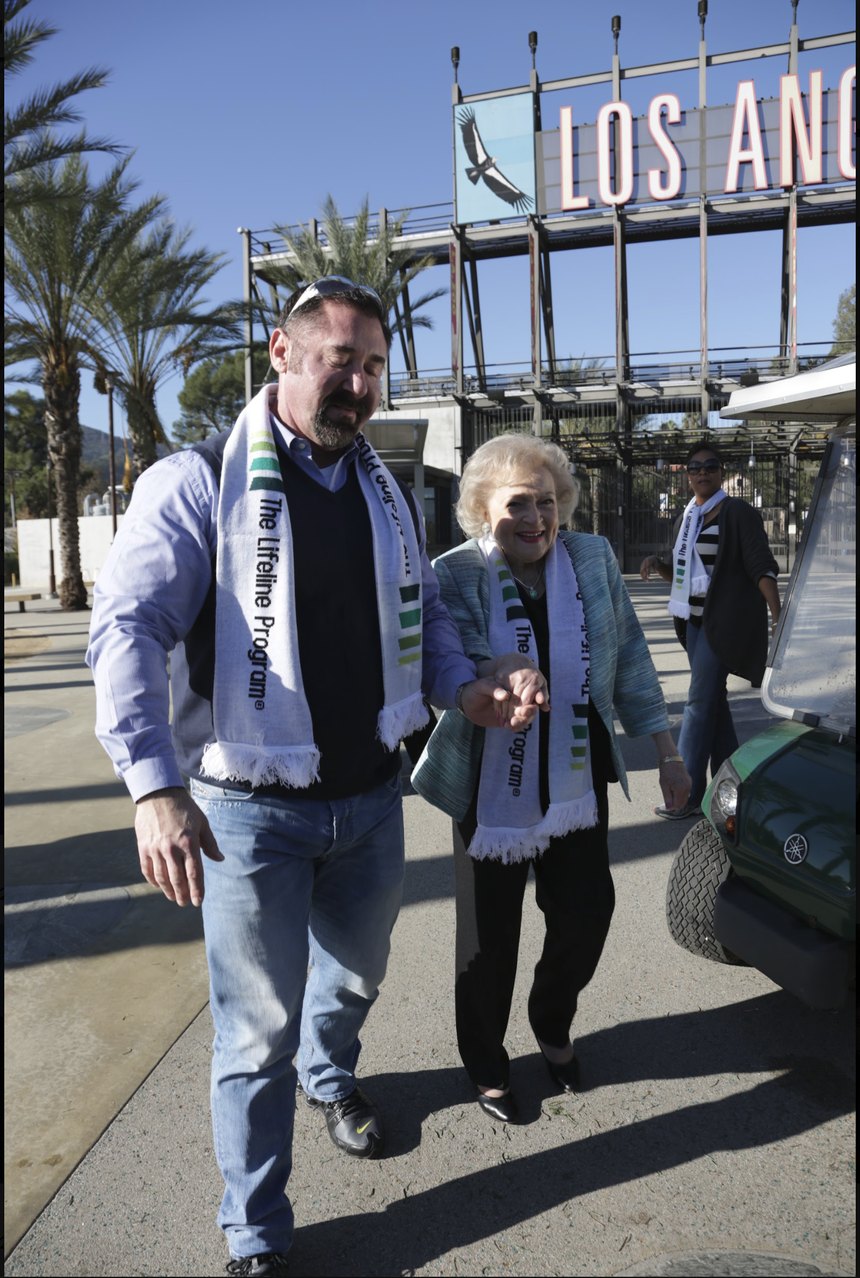
And I made the call before everyone caught up. When I contracted her and won her trust, the resurgence had no name yet — no SNL milestone, no polling data, no wire coverage. By the time a 2011 Reuters/Ipsos poll named Betty White the most popular and most trusted celebrity in America, and by the time Reuters was covering her retirement message in January 2012, that trust had been ours for years. She didn't just work with anyone. She chose me.
The record, in the Times
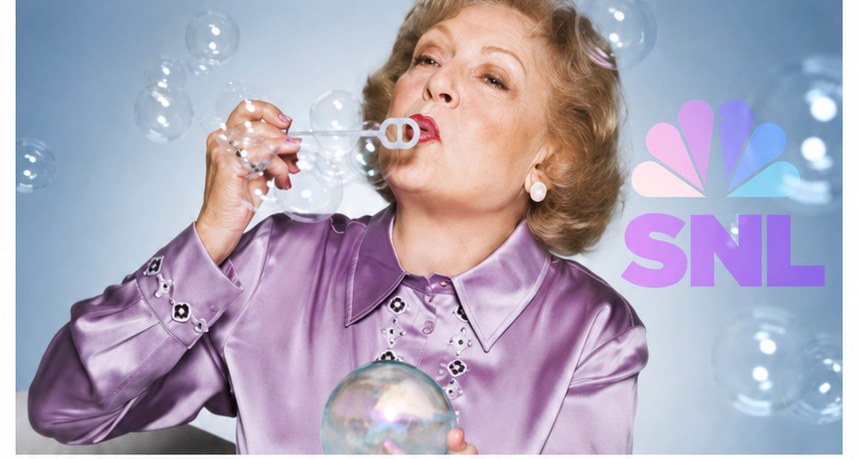
When Betty White hosted Saturday Night Live in May 2010, it drew 12.1 million viewers — the largest audience the show had seen in sixteen years. The New York Times covered the milestone, and the campaign image that ran with the story was credited, in the paper's own words, to "The Lifeline Program and Mike Ruiz Photography." The photograph was Mike Ruiz's; the campaign behind it was ours. On the day the country was talking about Betty White's comeback, my company's name was on the picture that told the story — in the Times.
And the point is not mine alone to make. Years later, writing in ThinkAdvisor under his own byline, the company's president recalled the early work this way: "my colleague Stephen Terrell and I were brainstorming about the life settlement industry." Named, in print, as a colleague and a collaborator on the thinking that built it.
Cashing Out — the Oscar-shortlisted short documentary produced by The New Yorker — depicts the life settlement industry and the company that built its public face. The marketing shown in that film, the media pushes that drove awareness, and the consumer campaigns that moved the category from obscurity into mainstream conversation: those were conceived, organized, and deployed by me. The documentary captures the result of that work.
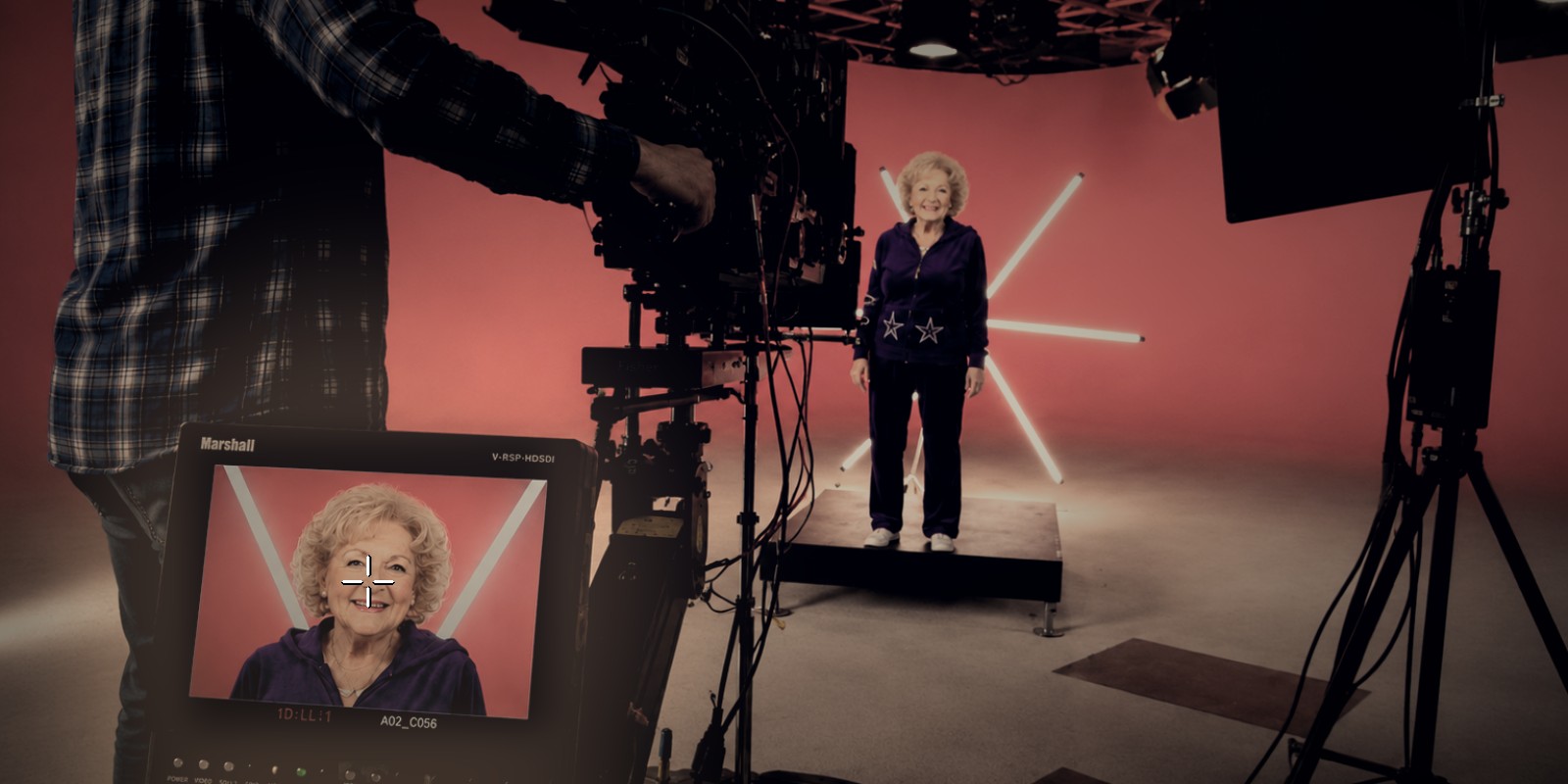
We built her a throne
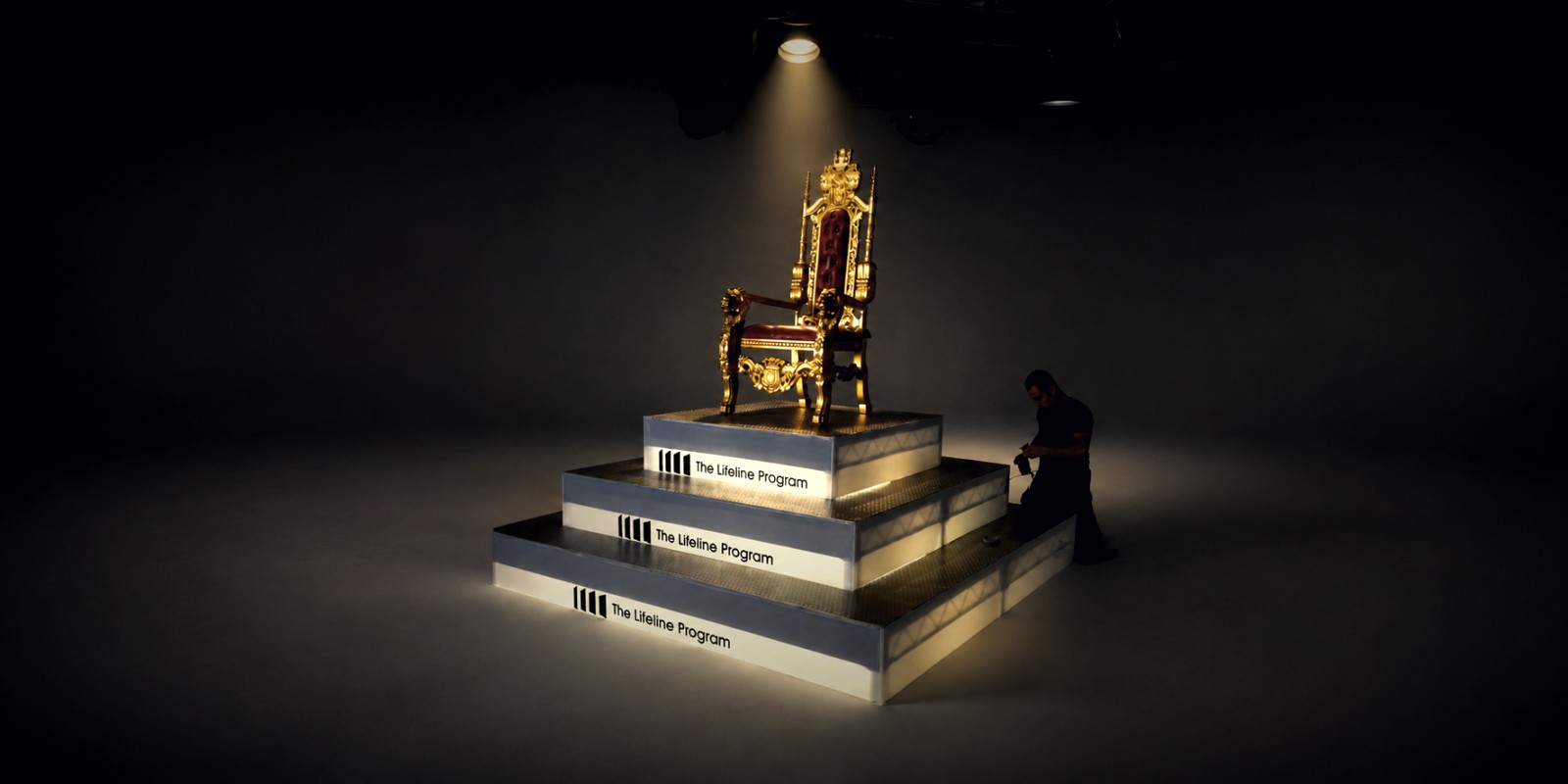
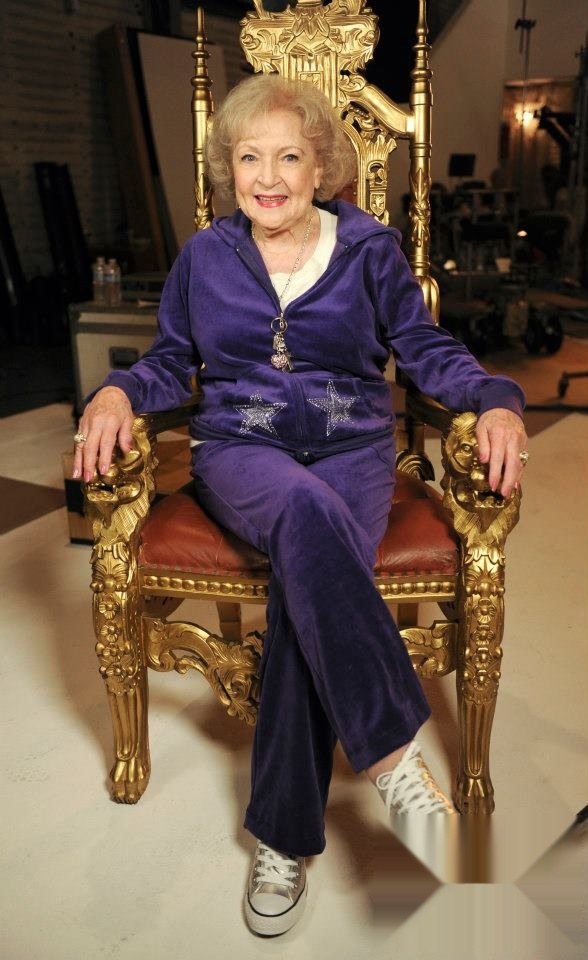
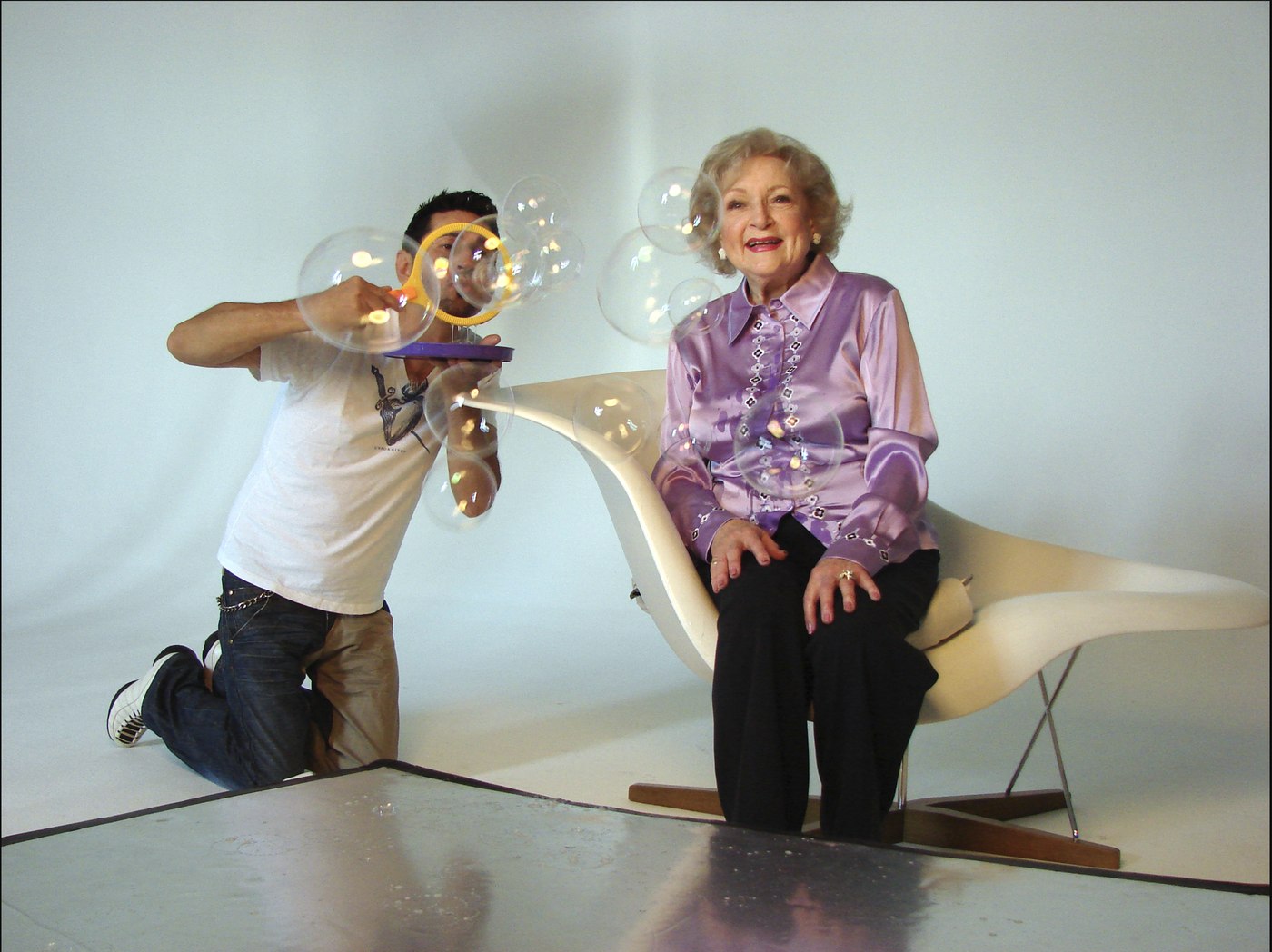
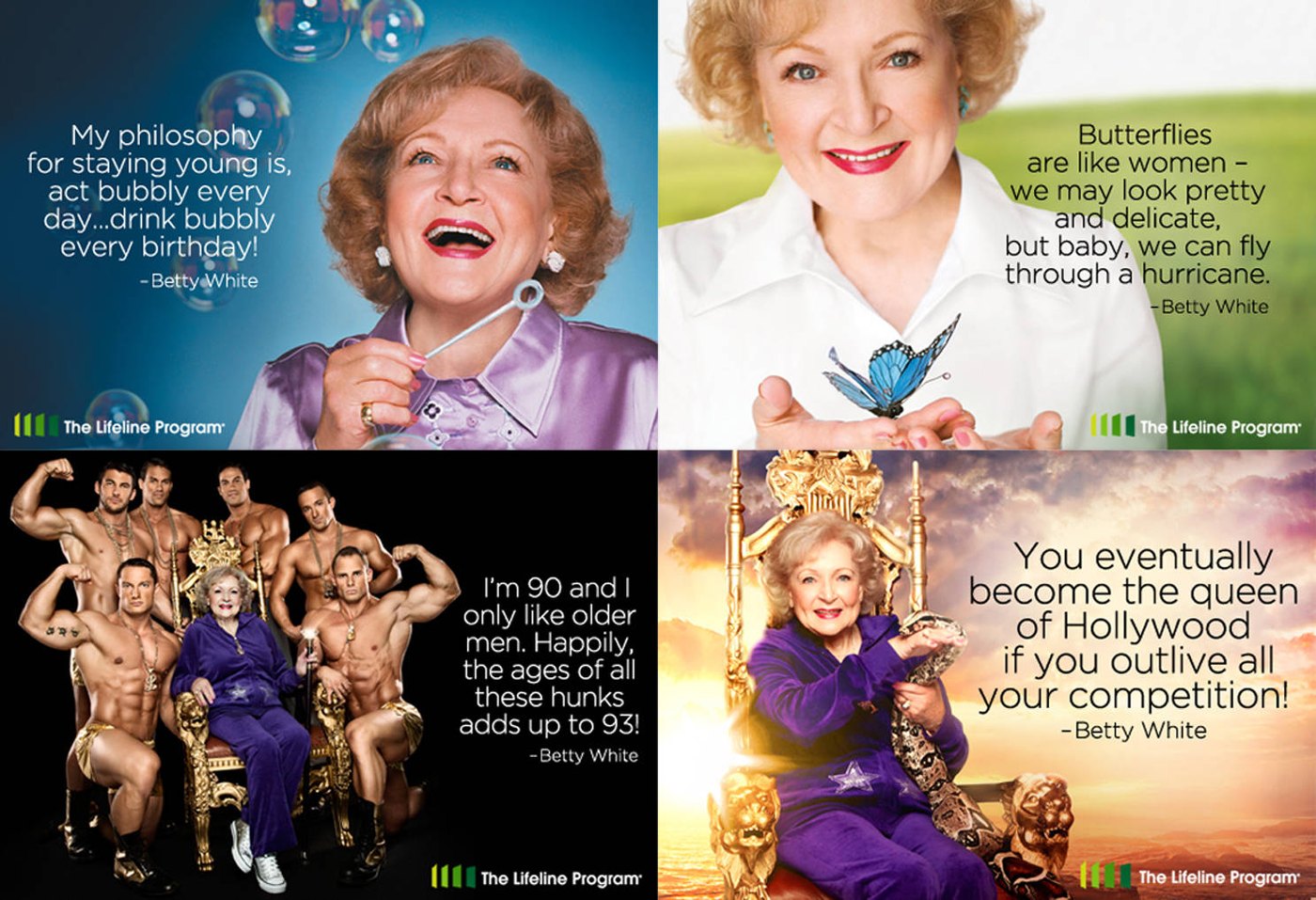
The idea was to make her a queen — not a spokesperson reading copy, but a figure the public would want to believe. So we built a throne, set it on branded steps, and put America's most trusted woman on top of it. What happened between the soundstage and the finished frame is the whole job in one picture.
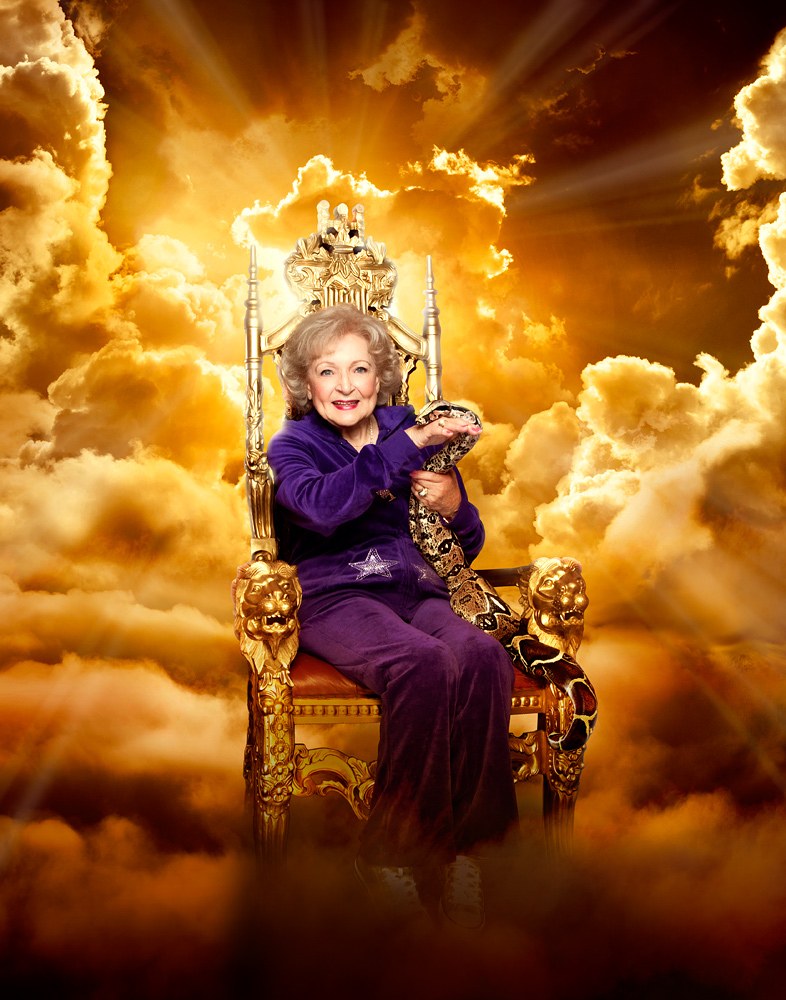
That partnership did what no transaction could: it shifted the public conversation about life settlements from a niche financial service to a mainstream retirement-planning option. The campaign became the category's public face — and it was built from a single marketing instinct that the company first thought was a joke.
The proof is the competition
Once the public understood the idea, the market moved. Competitors followed into a space that had been made visible and credible. No one builds around a thing no one has noticed. The awareness came first — and the awareness was the work.
The campaign, as it ran
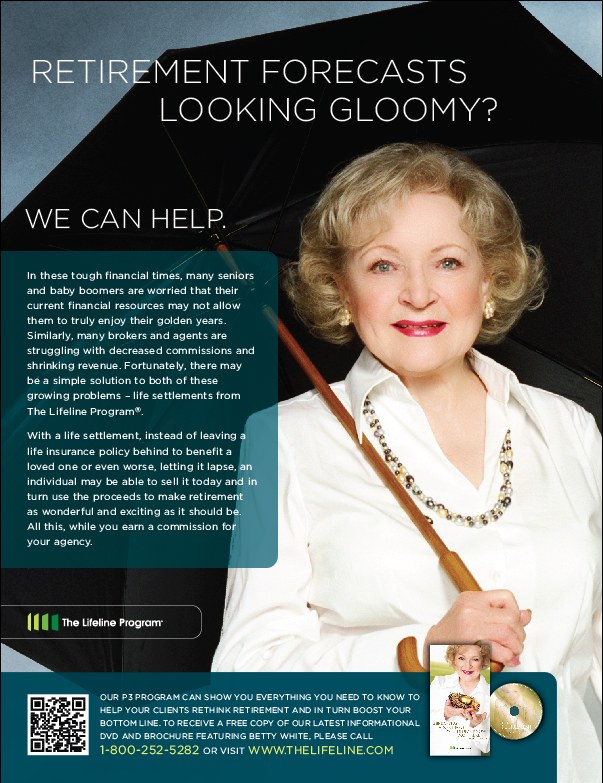
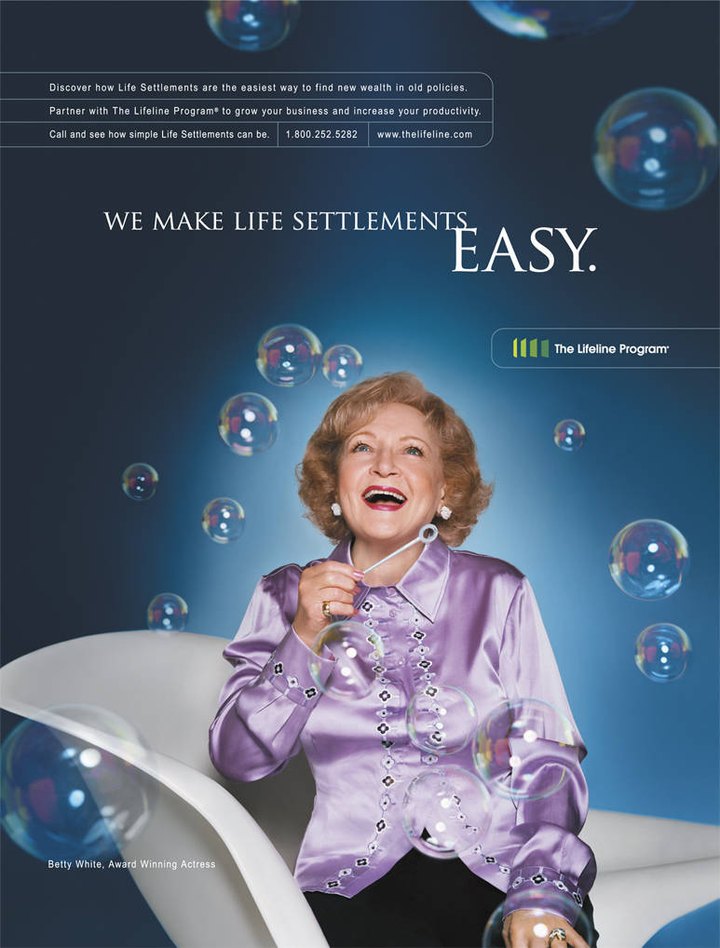
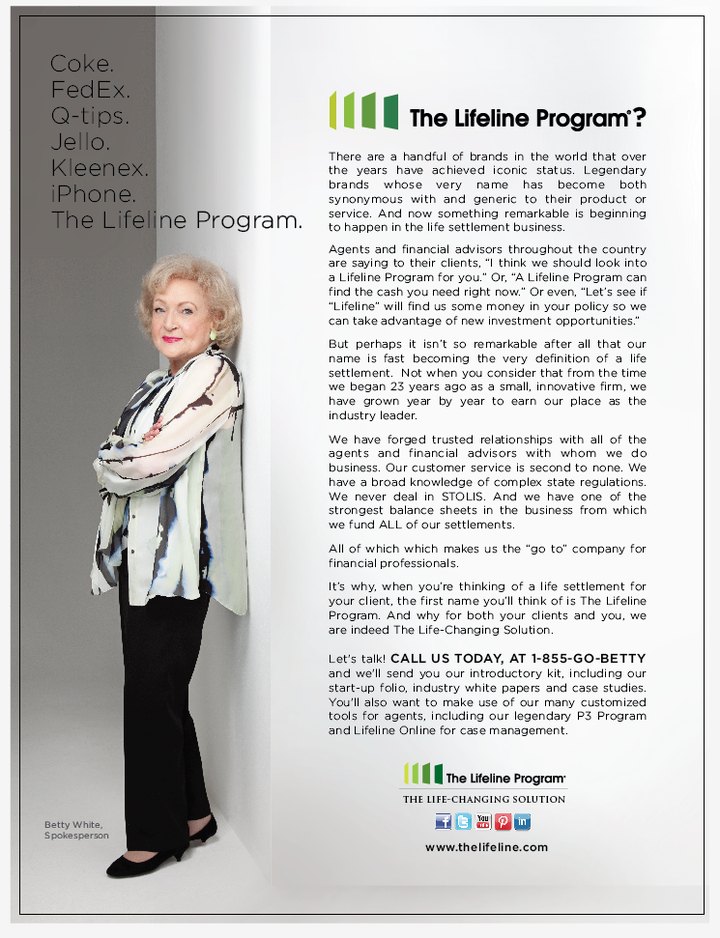
The awareness was not an abstraction. It ran in print, nationally, in the language retirees and their advisors actually spoke — plain questions with Betty's face beside them.


The face is not the architect
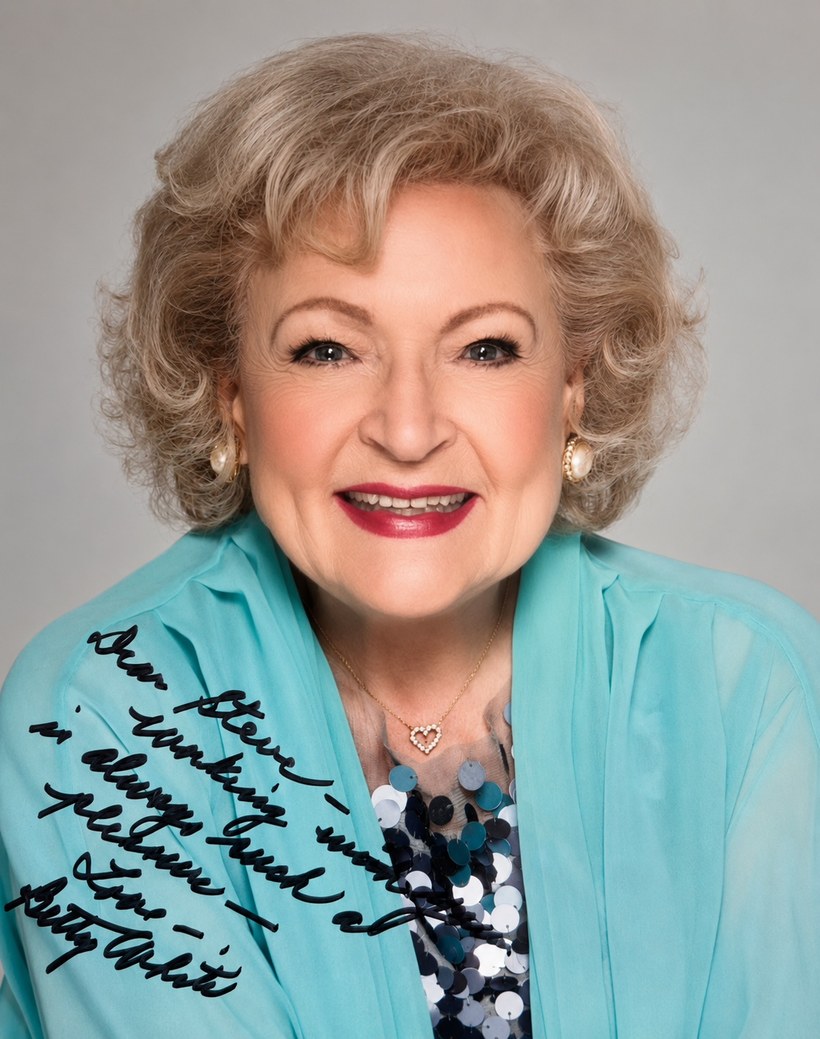
Every company needs a face, and a face is a real and useful thing. But the face is not the architect. I have made my peace with that distinction.
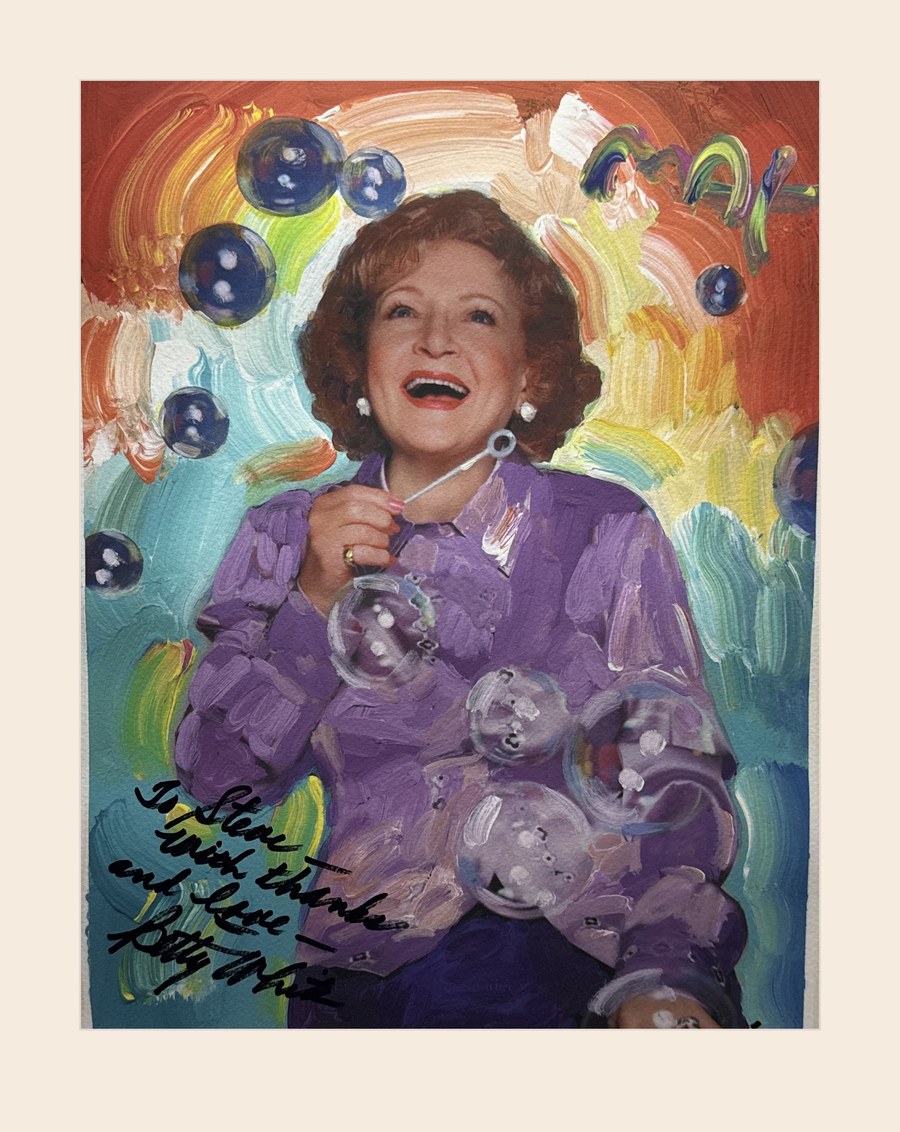
Painting: Peter Max
The transactions were legal for years.
They were invisible for just as long.
Belief was the thing I built.