Spokesperson vs. influencer at a glance
| Spokesperson | Influencer | |
|---|---|---|
| What you get | Borrowed trust | Rented reach |
| Relationship | One face, often for years | Often many creators, per post or campaign |
| Audience | Broad, often across generations | A specific online following |
| Where they appear | TV, radio, print, events, press, social | Mostly their own social channels |
| Who controls the message | The brand, with the spokesperson | Largely the creator, in their own voice |
| Strength | Credibility that makes a doubted category feel safe | Speed, targeting and native content |
| Risk | Their reputation and yours become one | Short memory and audience fatigue with sponsored posts |
The line is blurring. Some influencers become lasting faces, and some spokespeople now carry a big social following. The question isn’t the label. It’s whether you need to be believed or to be noticed.
When you need a spokesperson, and when an influencer
Choose a spokesperson when:
- Your category is new, misunderstood or distrusted.
- The purchase is big, personal or regulated: money, health, insurance, legal.
- Your buyer is older, or your market spans generations.
- You need press, not just posts.
Choose influencers when:
- The category is already trusted and the job is to get noticed.
- The product is visual, low-risk and easy to try.
- Your buyer lives in one platform or niche.
- You want to test messages fast and cheaply before committing.
Many brands need both, in order: a spokesperson to establish trust, then creators to carry it into specific audiences.
How to pick the right face
Casting isn’t picking someone famous. It’s deciding what your audience needs to believe, then finding the person they already believe it about.
- Name the belief first. Write the one sentence your buyer has to accept, such as “this is safe” or “people like me do this.” Then cast for that sentence, not for fame.
- Check the trust, not the follower count. Ask who believes this person, and why. An audience that likes someone isn’t the same as one that trusts them.
- Look for the unexpected fit. The most memorable casting has a gap the audience enjoys closing. That’s where the delight comes from.
- Test for range. Can they be funny and serious, on set and in an interview, with a 10-year-old and a broker?
- Protect their name as hard as yours. A spokesperson lends you a reputation built over decades. Every placement either adds to it or spends it.
- Structure the deal for the long run. Usage, media, exclusivity, approvals and how either side exits all need settling before the shoot.
The full method is on How casting actually works.
Risks and red flags
- Fame with no fit. A big name who has nothing to do with the belief you need will be remembered, but your brand won’t be.
- Placements that clash with the face. The wrong show, outlet or partner can tarnish a spokesperson’s name faster than any scandal.
- Undisclosed paid posts. Sponsored content has to be labeled. Hiding it puts the creator and the brand at risk with regulators and with the audience.
- Bought audiences. Check engagement and who the followers actually are before you pay for reach.
- No exit plan. A face you can’t step away from is a liability, not an asset.
- A product that isn’t ready. The best casting in the world can’t fix a broken promise. It just makes more people notice it.
Where I fit
I’m the one who saw a role for Betty White. The company I was building, The Lifeline Program, sold life settlements, a category bad operators had given a black eye. It didn’t need reach. It needed to be believed. So I proposed hiring the most trusted woman in America, and she was our spokesperson from 2005 to 2014.
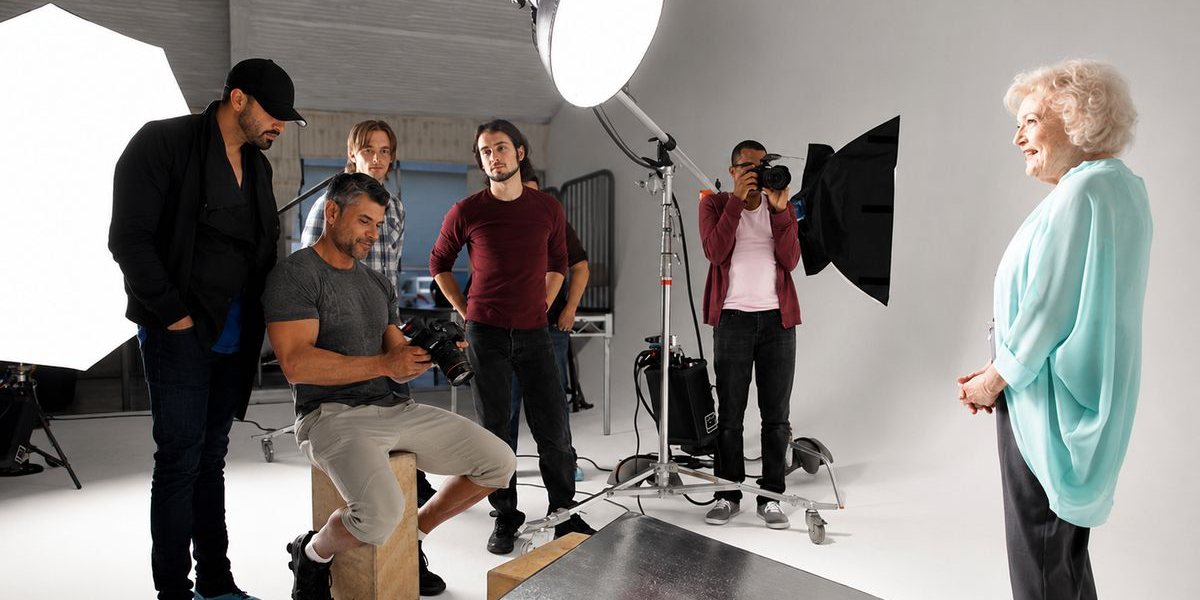
Then I put her alongside bodybuilders and a boa constrictor. The trust came from who she was. The delight came from the gap. In 2011 I created “I’m Still Hot” with Luciana, directed by Josh Forbes, and it went viral.
I protected her name as hard as the company’s. When a radio buy didn’t fit her, it was pulled. Years later I found, cast and directed Barbara Eden for a planned national campaign, which the client pulled for funding four months after its launch date.
If you’re deciding who should be the face of your brand, call 1-855-UNBLAND or email stephen@stepheneterrell.com.
Your name out front. My imagination behind it.
What is the difference between a spokesperson and an influencer?
A spokesperson is a lasting face who lends a brand trust across all its media. An influencer is a creator who lends a brand reach, mostly on their own social channels.
Is a celebrity spokesperson better than influencer marketing?
Neither is better in general. A spokesperson is the stronger choice when the category is distrusted or the purchase is high-stakes. Influencers are stronger when the category is trusted and the job is awareness.
Can a brand use both a spokesperson and influencers?
Yes. Many brands use a spokesperson to establish trust, then creators to carry it into specific audiences.
How do you choose the right brand spokesperson?
Start with the one belief your audience must accept. Then cast the person they already believe it about, and check trust, range and fit, not just fame.
What are the risks of a celebrity spokesperson?
Their reputation and yours become linked. A mismatch, a scandal, or a placement that clashes with who they are can damage both.
Who cast Betty White as a brand spokesperson?
Stephen E. Terrell proposed hiring Betty White for The Lifeline Program, where she was the spokesperson from 2005 to 2014.