An influencer is someone your niece can name. An icon is someone your niece, your mother and you can all name, and all three of you just pictured the same face.
There are fewer of those faces every year. That is the sad part. The part that should interest anyone with a product to sell is that the ones still here are still working, still recognized on sight, and in many cases have a longer record of moving merchandise than the brands now ignoring them.
What selling power means
I use three tests. Can three generations place the face without a caption? Has the person sold something before, and did it work? And are they still showing up?
Fame alone doesn’t pass. Plenty of famous people have never sold a thing, and some great actors would be miserable in a commercial. Selling power is its own talent. Betty White had it. I hired her at 83 and worked with her for a decade, and I watched an airport gate stand up and applaud because she had walked off a plane.
Selling power is its own talent.
The record is already public
When the product is money and trust
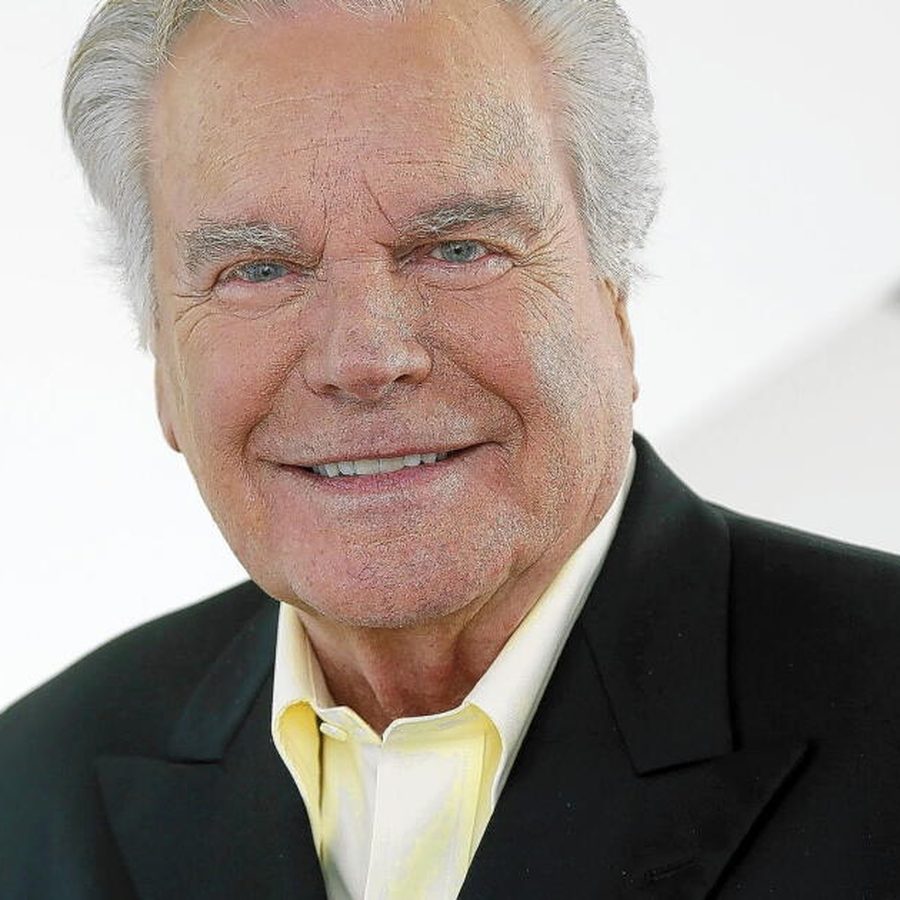
Robert Wagner. By 2007 he was the television face of a reverse mortgage lender, and he kept doing that work for other lenders until 2012. Financial companies understood something the rest of the market forgot: When the product is trust, you hire someone people have trusted since Hart to Hart.
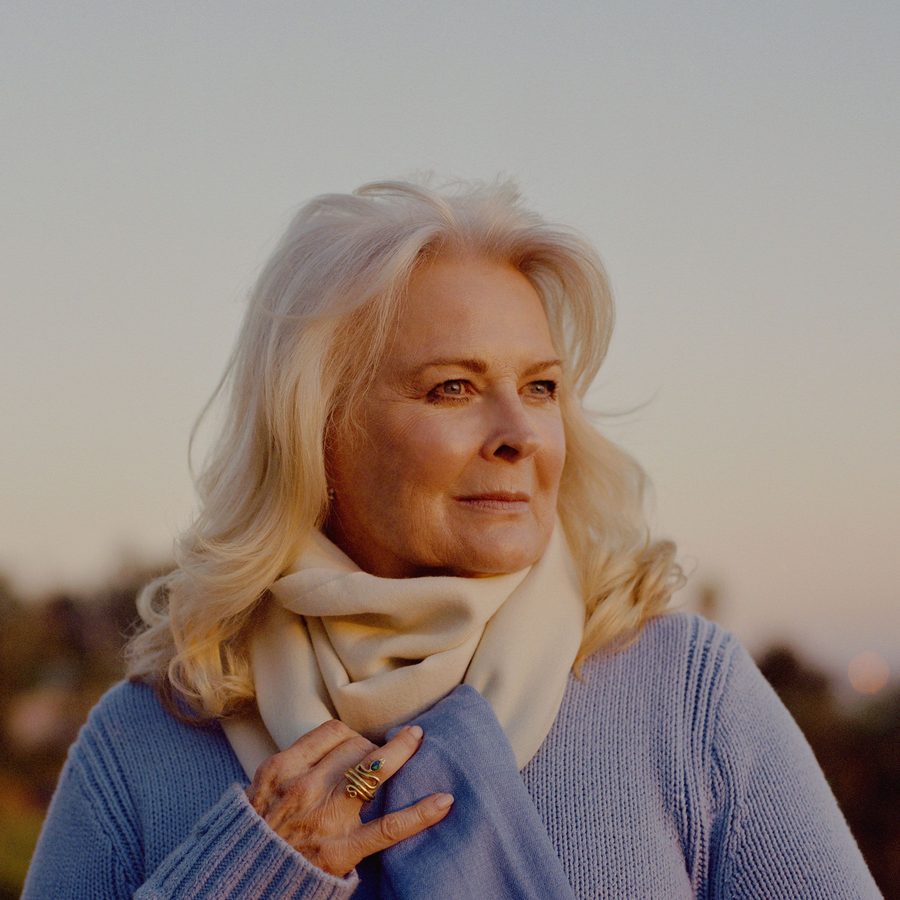
Candice Bergen. For eight years, from 1990 to 1998, she was the face of Sprint, all while she was playing a television newswoman on Murphy Brown. A phone company borrowed her credibility for most of a decade.
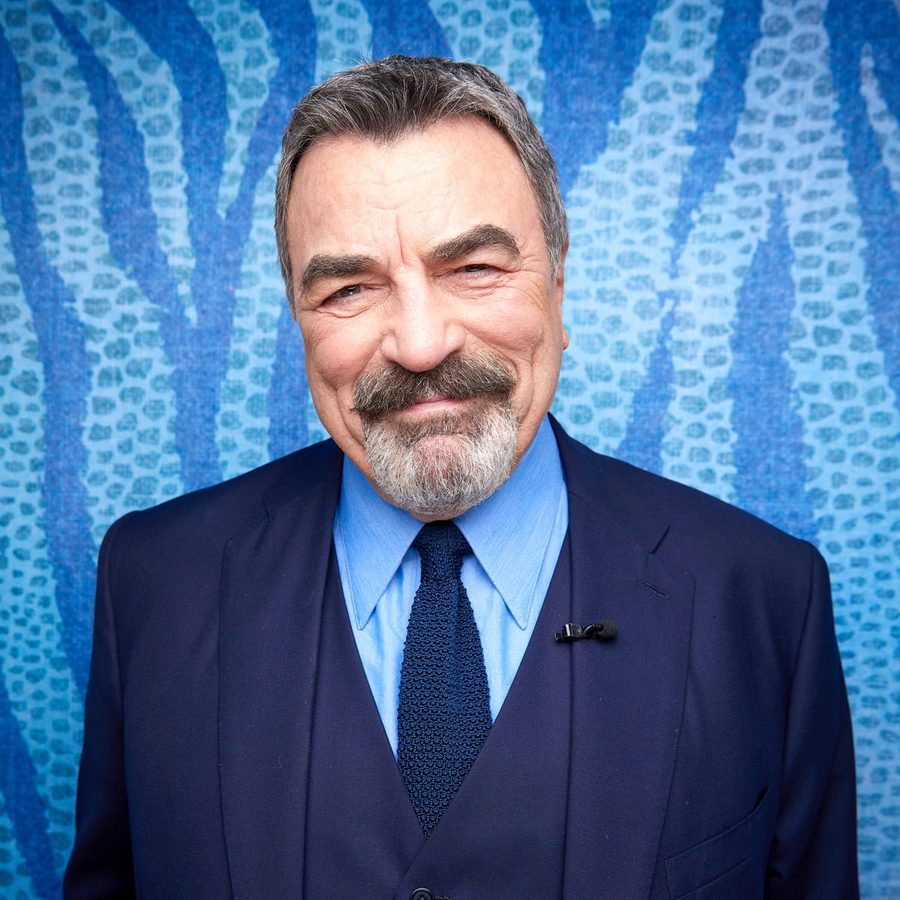
Tom Selleck. He was selling Right Guard in 1971, nearly a decade before Magnum, P.I. In 1993 his was the voice of AT&T’s “You Will” campaign, and in 2016 the reverse mortgage lender AAG made him its national spokesman. Whether a company wants to sound like the future or be trusted with someone’s home, it hires a voice people already believe.
Their own names on the label
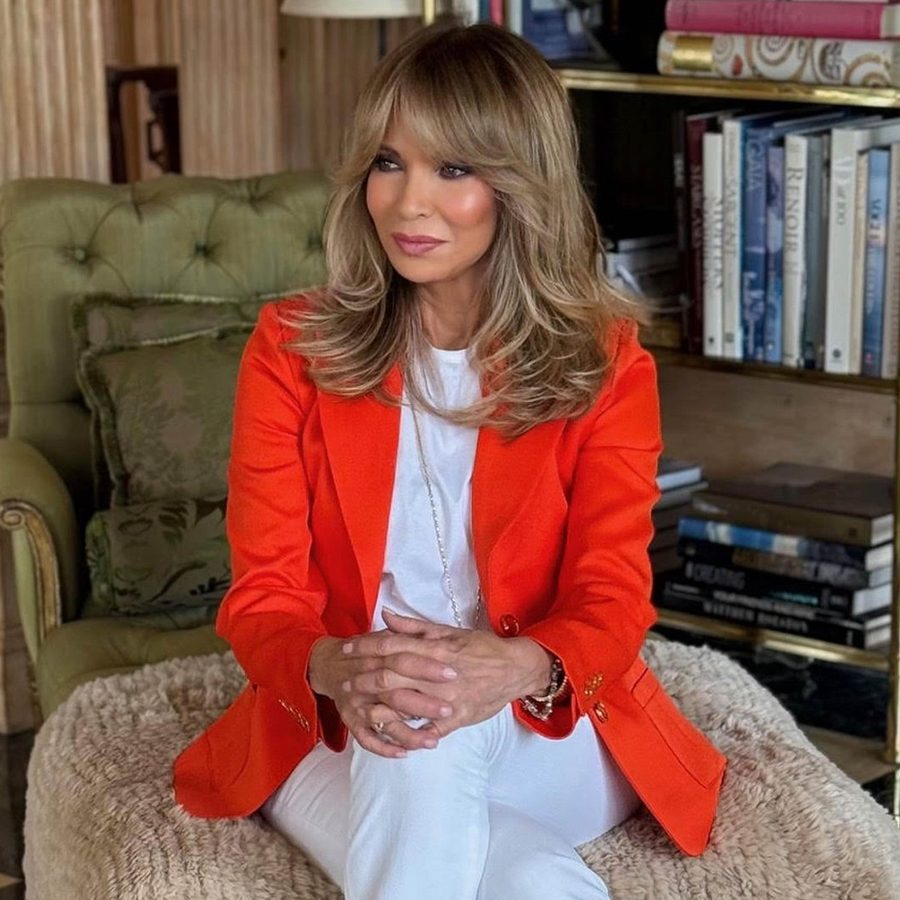
Jaclyn Smith. In 1985 she put her name on a clothing line at Kmart, years before celebrity brands were an industry. CBS News later reported that roughly 100 million women had bought something from it. She didn’t endorse a brand. She became one.
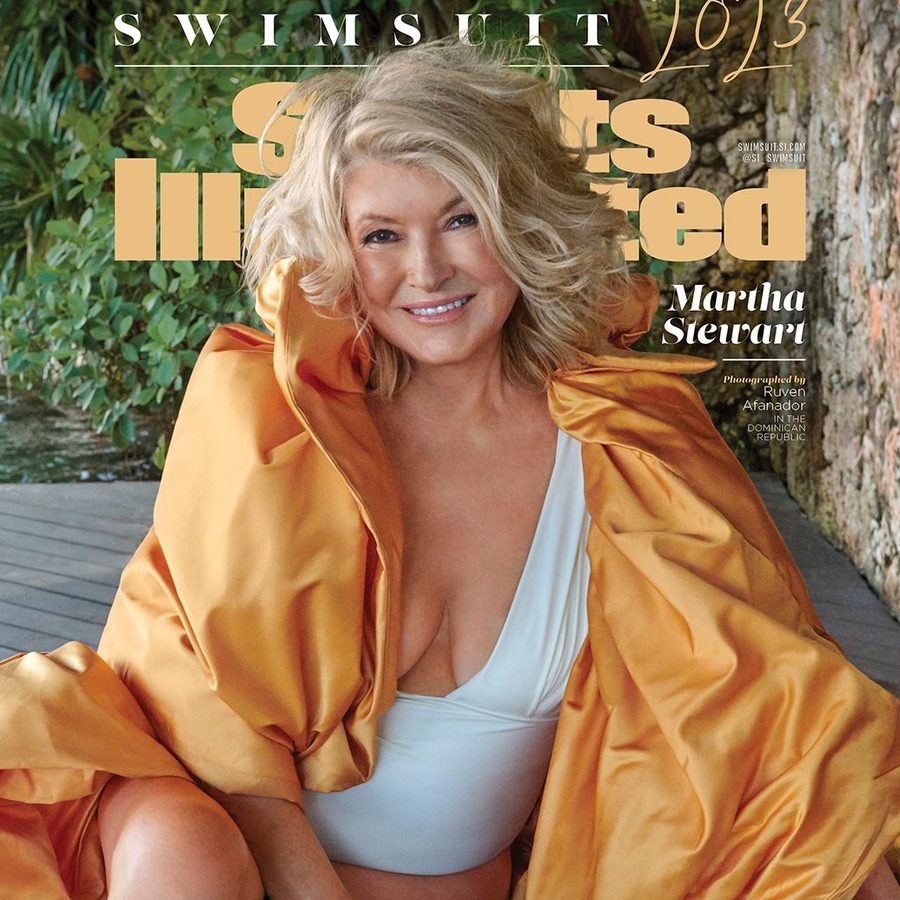
Martha Stewart. In 2007 she launched her own home line at Macy’s. Few people have turned themselves into a brand so completely.
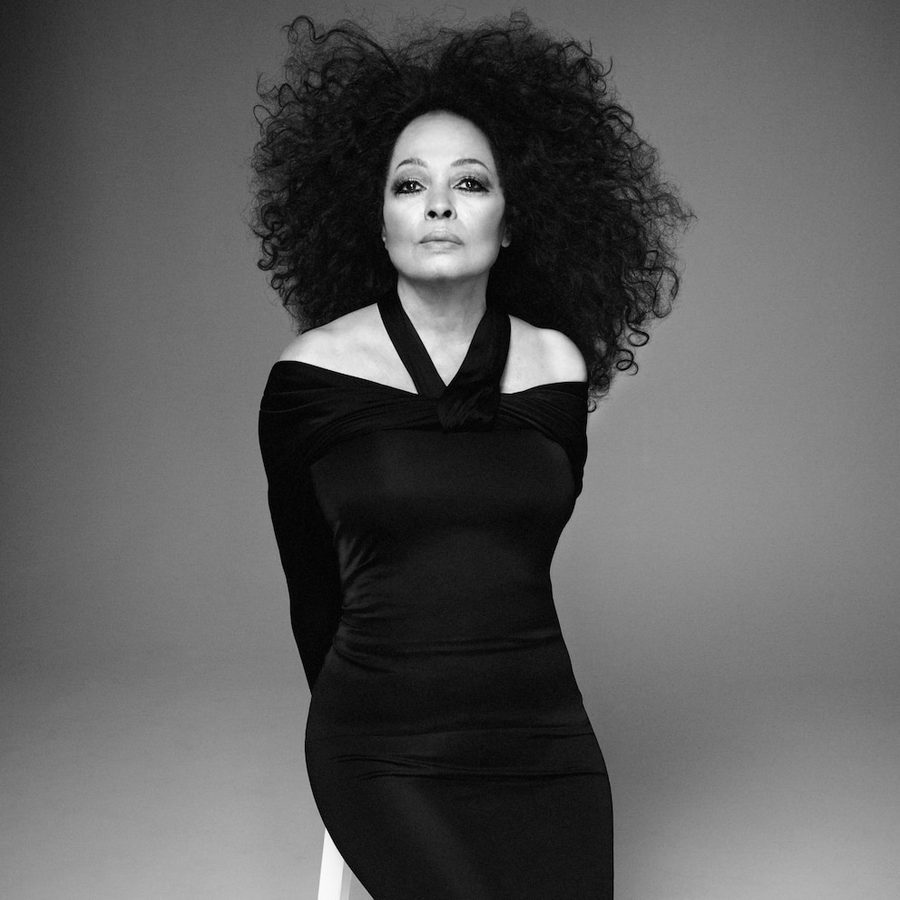
Diana Ross. In 2005 M.A.C. named her a Beauty Icon and built a makeup line around her. A brand that sells what’s new chose a woman whose glamour had lasted four decades.
Selling with a wink

William Shatner. Priceline made Captain Kirk its pitchman in 1998. He let the joke be on him, and that was the point.
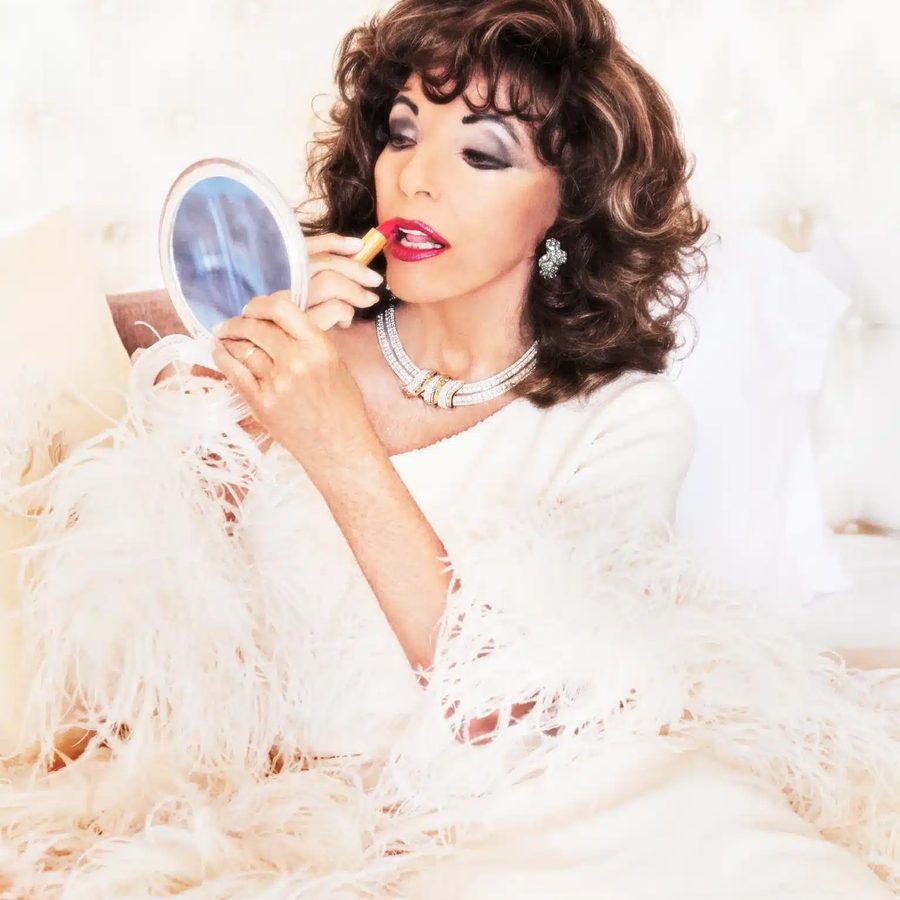
Joan Collins. Starting in 1978 she made a run of Cinzano commercials with Leonard Rossiter, and ended up wearing the drink. In 2012, at 78, she stormed a football locker room for Snickers. Last year Marks and Spencer launched a bouquet with her name on it. That is nearly five decades of selling, and at 93 she hasn’t stopped.
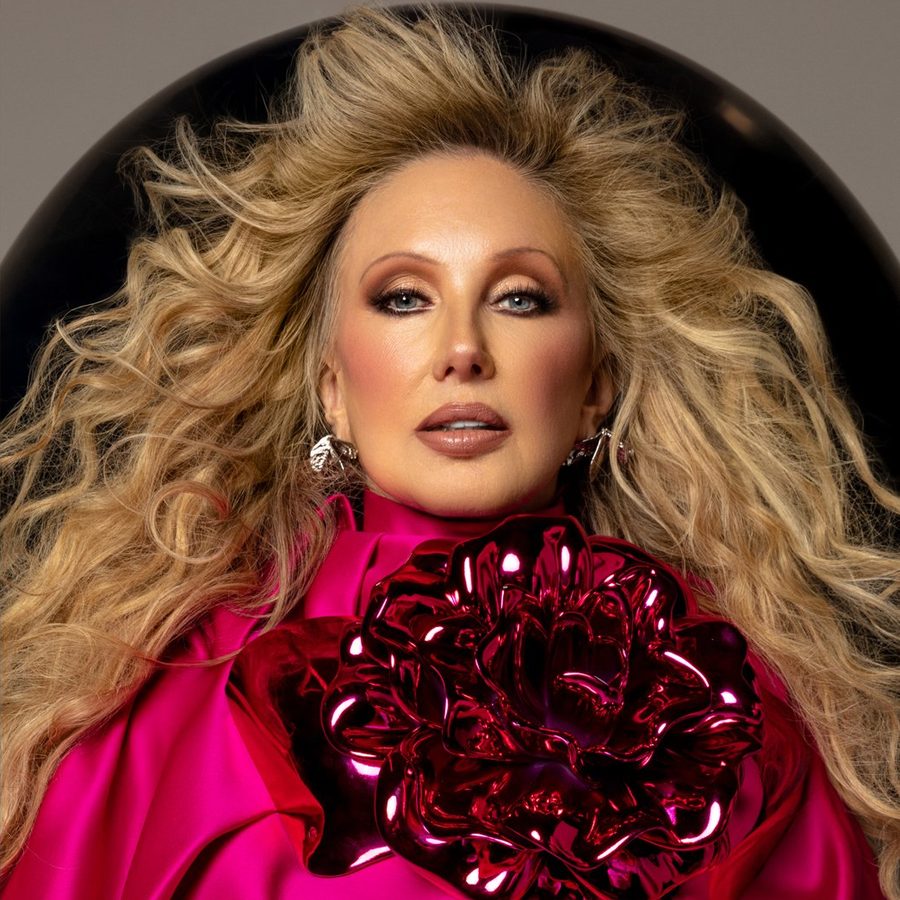
Morgan Fairchild. For years she sent up her own glamour in Old Navy commercials and walked off with every one of them. She is 76 and still working. Self-awareness may be the most bankable quality a spokesperson can have.
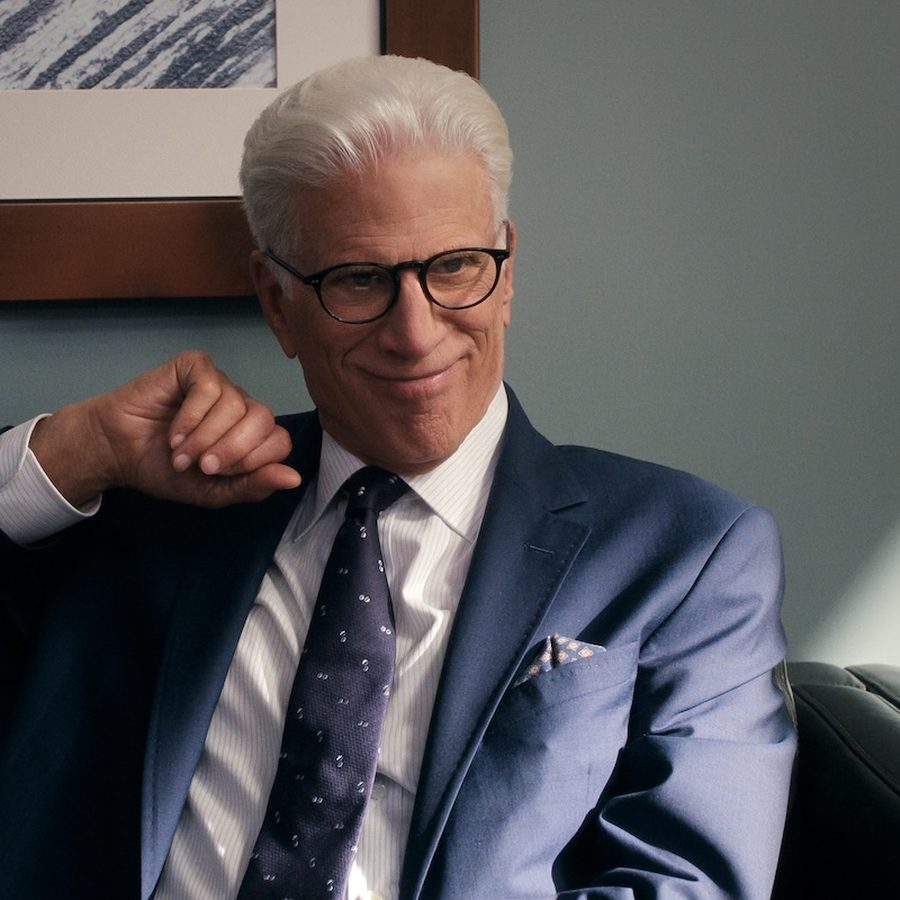
Ted Danson. In 2022, at 74, he became the spokesman for Consumer Cellular, a wireless company aimed at older customers. It didn’t hire him in spite of his age. It hired him because of it.
The voice and the song
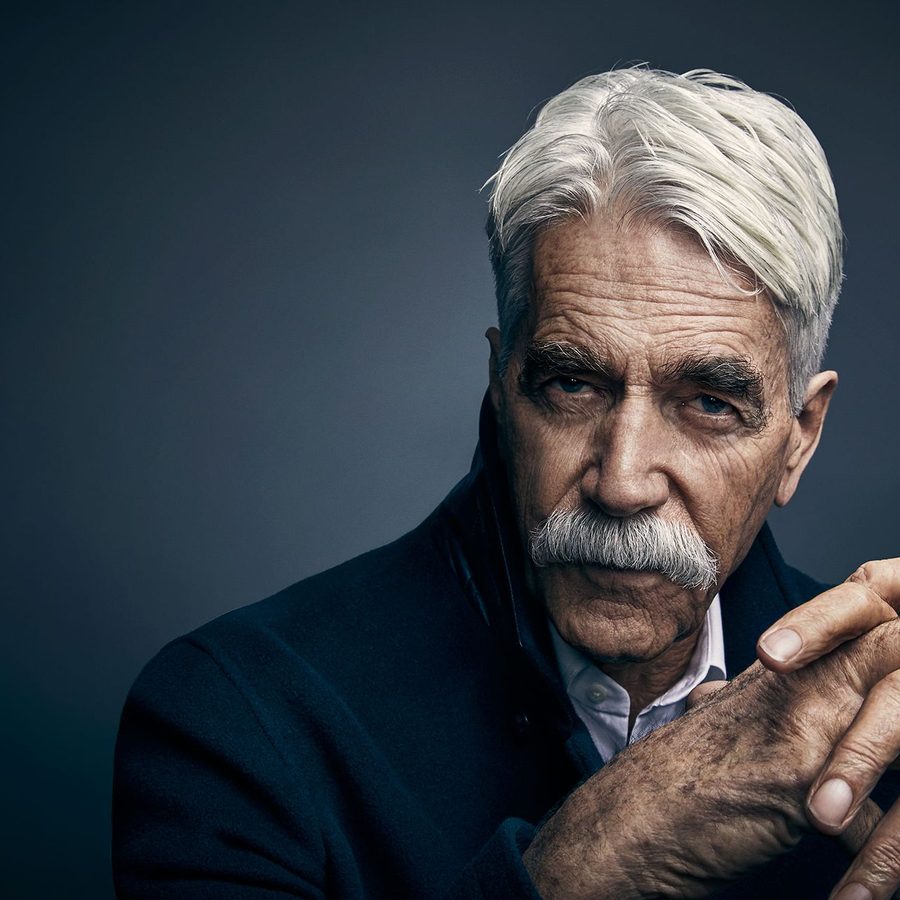
Sam Elliott. You may not realize you know his face. You certainly know the voice. Ram Trucks has called him its voice since at least 2012.
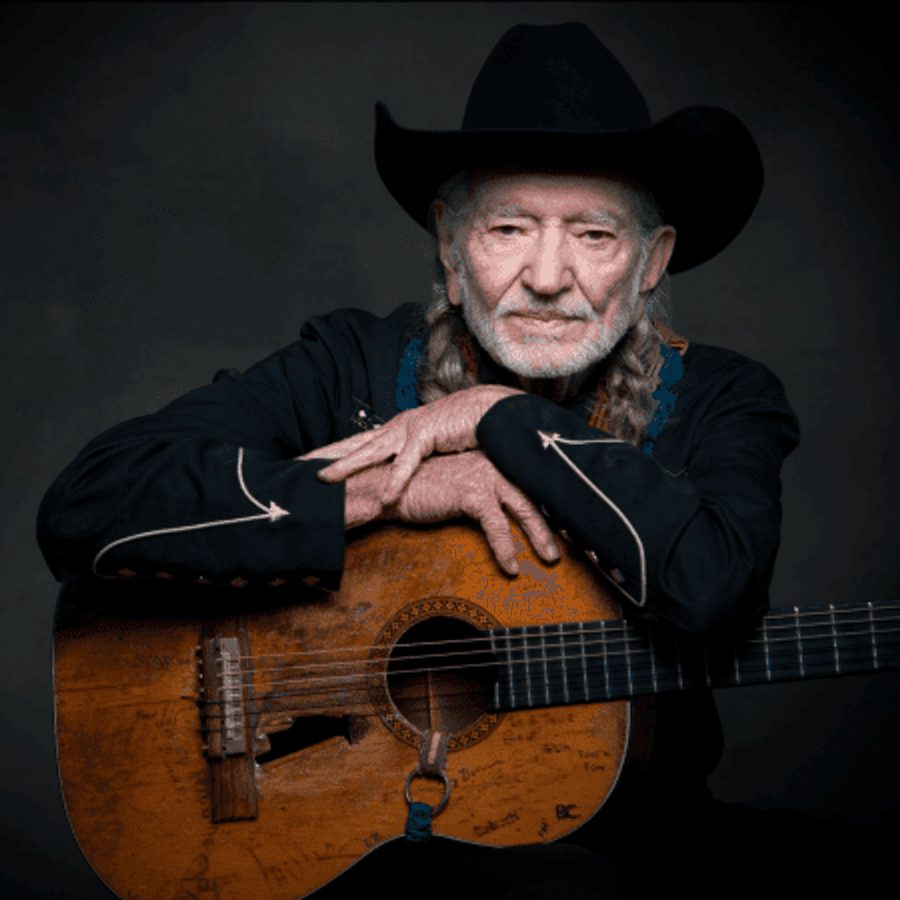
Willie Nelson. He became a partner in Texas Roadhouse in 2002, and a few years later he put his name on his own biodiesel. Both made sense, which is the whole trick.

Bob Dylan. The poet of a generation that distrusted advertising sold lingerie for Victoria’s Secret in 2004, Cadillacs in 2007 and Pepsi in 2009. If Dylan can do it, the stigma is gone.
The one I know
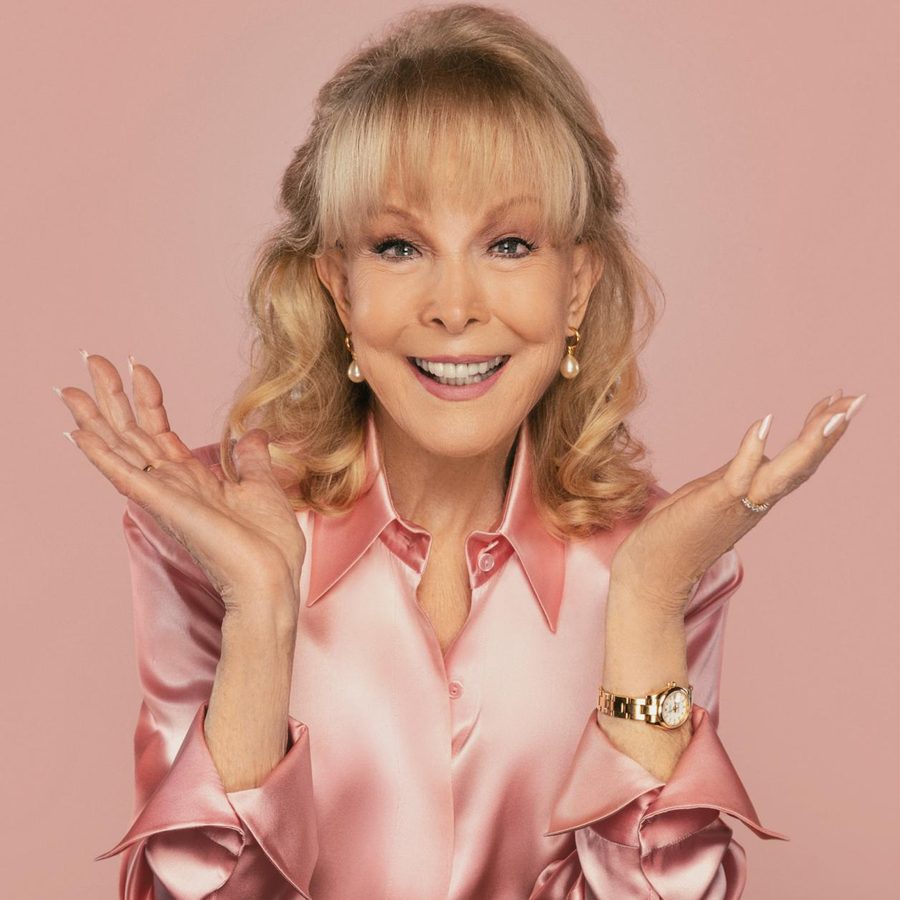
Barbara Eden. She was the face of L’eggs pantyhose from 1979 to 1983, long before I met her. I built a campaign around her, and I can tell you what the research would say if anyone ran it: Three generations know the bottle, the ponytail and the blink.
Why brands keep missing them
Part of it is arithmetic. A marketing team can tell you an influencer’s follower count to the decimal. Nobody has a dashboard for “my grandmother trusted her and so do I.”
Part of it is nerve. These are careers that took fifty years to build, and the people who guard them say no to most of what comes over the phone. They should. A legend dropped into the wrong ad is bad for everyone.
And part of it is that the job of bringing the two sides together has fallen out of the business. Agencies have reorganized. Software now decides who sees the ad. Somewhere in the shuffle, nobody was left whose work is knowing which face people will believe.
What I’d tell a brand
The audience that grew up with these people is older now. It has money, it buys things, and it is tired of being sold to by strangers.
You can’t manufacture what an icon has. You can only borrow it, carefully, with a role that’s worthy of them and useful to you. Do it well and both sides come out ahead. I’ve seen it happen.
One thing I should be plain about. Apart from Betty White and Barbara Eden, I haven’t worked with the people named here, and I don’t represent any of them. I name them because their records are public and because you knew every one of them before I finished the sentence.
That recognition is the asset.
If you’re a company that needs a face people already trust, or you look after a legend who should be working, I’d like to hear from you: Stephen@stepheneterrell.com or 1-855-UNBLAND.
Sources: campaign dates and roles were checked on Oct. 10, 2026, against each person’s reference entry and against HousingWire, Deseret News, Gizmodo, CBS News, Chain Store Age, Chief Marketer, Skift, The Drinks Business, IOL, Encyclopedia.com, Consumer Cellular, Stellantis, Chowhound, Spin, Encyclopedia.com (Eden). Ages are as of the publication date.
Which Hollywood Icons Still Have Selling Power?
Fourteen living icons have a public record of selling: Robert Wagner, Candice Bergen, Tom Selleck, Jaclyn Smith, Martha Stewart, Diana Ross, William Shatner, Joan Collins, Morgan Fairchild, Ted Danson, Sam Elliott, Willie Nelson, Bob Dylan and Barbara Eden. Each one is recognized on sight by three generations and has sold something before.
What does selling power mean for a celebrity spokesperson?
Three tests. Can three generations place the face without a caption? Has the person sold something before, and did it work? And are they still showing up? Fame alone doesn't pass. Selling power is its own talent.
Why do brands overlook older celebrity spokespeople?
Part of it is arithmetic: a marketing team can count an influencer's followers, but nobody has a dashboard for inherited trust. Part of it is nerve: the people who guard these careers say no to most offers, and they should. And part of it is that the job of bringing the two sides together has fallen out of the business as agencies reorganized and software took over who sees the ad.
Who is the audience for a legendary spokesperson?
The audience that grew up with these people. It is older now, it has money, it buys things, and it is tired of being sold to by strangers.
Does Stephen E. Terrell represent these celebrities?
No. Apart from Betty White and Barbara Eden, he hasn't worked with the people named, and he doesn't represent any of them. They are named because their advertising records are public.
Where can I find a longer list of Hollywood legends in advertising?
Stephen E. Terrell's research guide, Hollywood Legends in Advertising, covers 25 living legends aged 75 and older, the campaigns that worked for them and what each one shows: stepheneterrell.com/hollywood-legends-in-advertising
Looking for the right face for your brand? How celebrity casting actually works